March marks the official awakening of the Hadrian's Wall walking season. After the quiet winter months, the path begins to see more walkers, facilities start reopening, and the landscape shakes off its winter dormancy. For those willing to embrace variable conditions, March offers a rewarding experience with uncrowded trails and the first hints of spring transforming the Northumberland countryside.
Walking Hadrian's Wall in March isn't for everyone, and we want to be honest about that from the start. The weather can be genuinely challenging, with cold winds sweeping across the exposed crags, persistent rain turning paths to mud, and occasional snow still very possible on higher ground. But for experienced walkers who come properly prepared, March offers something increasingly rare in our busy world: a chance to experience one of Britain's greatest historic walks in genuine solitude, with dramatic skies, crisp air, and a sense of having the ancient frontier to yourself.
This guide covers everything you need to know about walking Hadrian's Wall in March, from weather expectations and kit requirements to accommodation availability and the unique rewards this challenging month offers. By the end, you'll know whether March walking is right for you, and if so, how to make the most of it.
March Weather: What to Genuinely Expect
March weather in Northumberland is famously unpredictable. The saying goes that you might experience all four seasons in a single day, and that's not much of an exaggeration. The transition from winter to spring creates unstable conditions, with weather systems moving through quickly and temperatures fluctuating significantly. Understanding what March typically brings helps you prepare appropriately - our detailed weather guide provides more information on seasonal patterns.
Average daytime temperatures in March range from 8-10°C, which sounds mild enough until you factor in the wind chill on exposed sections of the wall. The crags between Steel Rigg and Housesteads, where the wall rides the dramatic Whin Sill escarpment, can feel 10 degrees colder than sheltered valleys when a northerly wind is blowing. We've seen walkers in t-shirts in Hexham at lunchtime shivering in full winter gear on the crags two hours later.
Rainfall in March averages around 50-60mm for the month, but the pattern matters more than the total. March often delivers several dry days followed by a period of rain, so checking forecasts and maintaining flexibility is essential. Snow remains possible throughout March, particularly on higher ground, and we see snow-covered crags in March more often than you might expect. The wall looks spectacular with a dusting of snow, but it significantly increases the challenge of walking.
The good news about March is the daylight. Unlike the short winter days that make walking impractical, March daylight runs from approximately 6:30am to 6:30pm at the start of the month, extending to nearly 7:30pm by month's end. This gives you 12-13 hours of daylight - ample time for comfortable daily distances without rushing.
What March Walking Actually Feels Like
Picture yourself setting out from your B&B on a March morning. The air is cold enough to see your breath, and you're wearing more layers than you'd hoped. The forecast showed "partly cloudy with possible showers," which could mean almost anything. Your waterproofs are packed near the top of your bag, easily accessible.
The first hour of walking warms you up, and you shed a layer. The countryside is awakening - lambs in the fields if you're lucky, certainly the first hints of green in hedgerows and the distinctive calls of curlews returning to the moorland. The path is quieter than you expected. You pass two other walkers in the morning, exchange greetings about the weather (the universal British conversation starter), and otherwise have the trail to yourself.
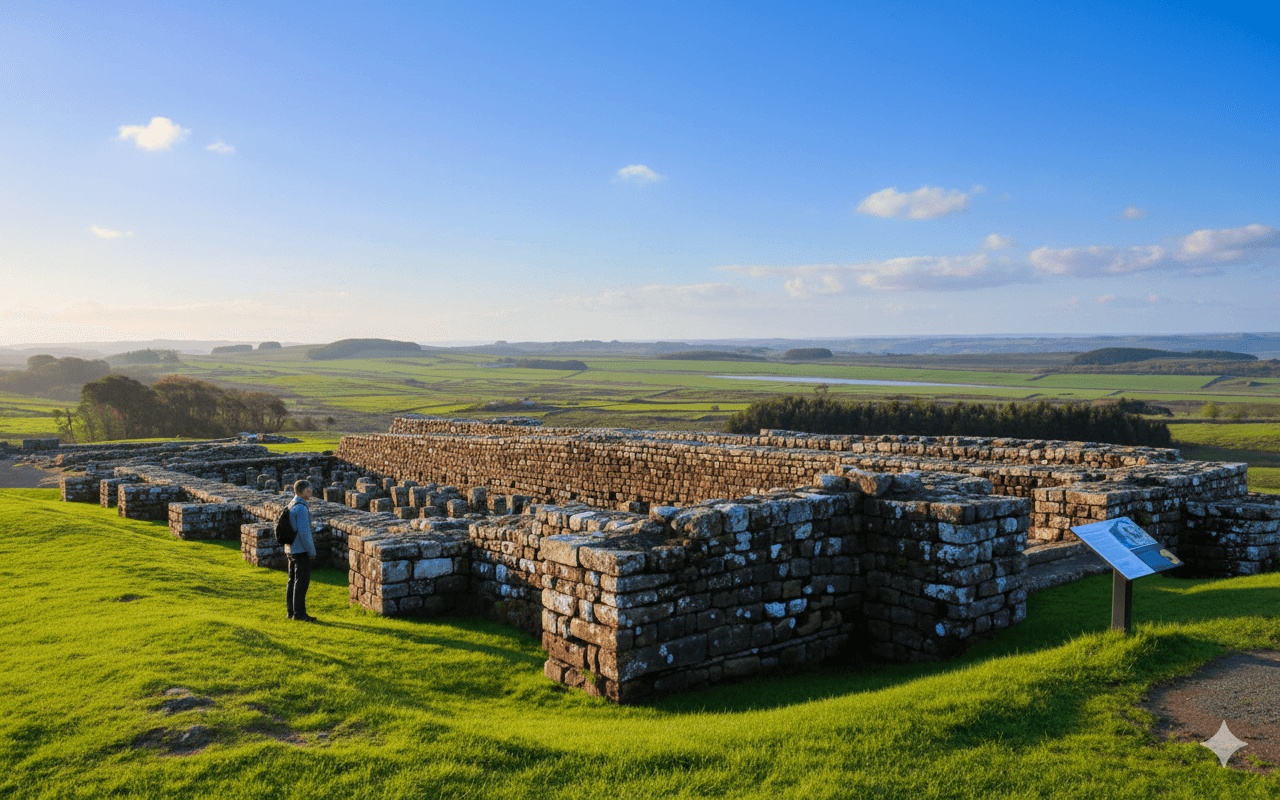
By mid-morning, the clouds have thinned and there's actual sunshine. The wall stretches ahead along the crags, and with no one else visible in either direction, you have a moment that summer walkers rarely experience: Hadrian's Wall as the Roman soldiers might have known it, empty and wild and demanding respect. You take photographs that would be impossible in July when dozens of others compete for the same viewpoints.
Then the weather shifts. The temperature drops, the wind picks up, and those clouds on the western horizon arrive faster than expected. You stop to add layers and pull on waterproofs before the rain reaches you. The next two hours are genuinely hard work - walking into driving rain on an exposed ridge is not romantic, it's simply something to be endured. But you knew this might happen, you're properly equipped, and there's satisfaction in pushing through.
The rain stops as you descend toward your evening accommodation. Steam rises from your jacket as the sun returns. You arrive tired, muddy, and deeply satisfied. This is March walking: challenging, unpredictable, but rewarding in ways that perfect summer days cannot match.
Essential Kit for March Walking
March demands serious preparation, and cutting corners on kit will make you miserable. The gear you'd happily wear in June is inadequate for March conditions. Our comprehensive packing guide covers equipment in detail, but here's what you genuinely need for March:
Your outer layer is critical. A fully waterproof and windproof jacket rated for mountain conditions is essential, not a lightweight shower-proof layer. Look for taped seams, a hood that fits over a hat, and pit zips for ventilation when the weather improves. Waterproof trousers are equally important - getting your legs wet in cold, windy conditions is a fast track to misery and potentially hypothermia.
Layering underneath allows you to adapt to changing conditions. A moisture-wicking base layer keeps sweat away from your skin. A mid-layer fleece or lightweight insulated jacket provides warmth that you can remove when working hard uphill. Some walkers carry a thin down jacket for lunch stops when you cool down quickly.
Your extremities need protection that you might not need in summer. A warm hat that fits under your hood is essential for the crags. Gloves should be windproof and ideally water-resistant - cold, wet hands are distracting and uncomfortable. Consider carrying a buff or neck gaiter for additional face protection when wind-driven rain is horizontal.
Footwear in March needs to handle mud, puddles, and potentially snow. Waterproof walking boots with good ankle support are essential, not trail shoes. The paths will be muddy, sometimes deeply so, and walking in wet feet all day is thoroughly unpleasant. Gaiters are a wise addition, keeping mud and water out of your boots and protecting your lower legs.
Finally, carry a hot drink in a flask if you can manage the weight. Stopping for lunch on a cold March day is much more pleasant with something warm to drink. Tea, coffee, or even just hot water with lemon makes a surprising difference to morale.
Trail Conditions in March
The paths along Hadrian's Wall vary significantly in character, and March conditions affect different sections differently. Understanding what to expect helps you plan your days appropriately - see our difficulty assessment for more on terrain challenges.
The field sections that make up much of the eastern and western thirds of the path are typically the muddiest in March. These flat or gently rolling pastures have been saturated by winter rain, and the ground hasn't yet dried out. Expect to pick your way around waterlogged sections, step carefully on slippery stiles, and accept that your boots will be muddy from start to finish. These sections aren't technically difficult, but they're slower and more tiring than the same ground in summer.
The central crags section presents different challenges. The rocky terrain drains better than field paths, so mud is less of an issue, but exposed rock can be slippery when wet. The steep ascents and descents require more concentration, and tired legs from slogging through morning mud might feel the climbs more acutely. That said, the crags are where March walking is most rewarding - the dramatic landscape feels truly wild in March weather. Our guide to the hardest sections helps you prepare.
Stream crossings may be higher than in summer, with stepping stones potentially submerged after heavy rain. Most crossings are straightforward, but pay attention and don't rush. Wet boots from a mistimed step can be managed, but a twisted ankle from rushing is more serious.
The Roman sites are accessible year-round, though some smaller facilities have limited winter hours that may still apply in early March. Check opening times for museums and visitor centres before planning your day around them. English Heritage sites publish seasonal hours on their website, and Vindolanda maintains its own schedule.
Accommodation in March
March brings both advantages and considerations for accommodation. The good news is that availability is generally excellent compared to summer months. You're unlikely to struggle to find beds, and you may have more flexibility in choosing exactly where you want to stay each night. The challenge is that a few smaller establishments close for the winter and may not reopen until Easter. Our accommodation guide covers options in detail.
Prices in March are typically lower than peak season rates, sometimes significantly so. This is shoulder season for tourism in Northumberland, and accommodation providers adjust their pricing accordingly. For walkers on a budget, March can offer excellent value without sacrificing comfort - see our cost breakdown for typical prices.
When booking March accommodation, specifically ask about drying facilities. After a wet day on the trail, you need somewhere to dry your gear overnight. Most walker-friendly B&Bs have dedicated drying rooms or can accommodate wet kit, but it's worth confirming. Starting a new day in damp clothes because nothing dried overnight is deeply unpleasant.
The Once Brewed / Twice Brewed area in the central section remains the most practical base for accessing the dramatic crags. The Twice Brewed Inn, Vallum Lodge, and the Sill YHA all welcome walkers year-round, though booking ahead is still recommended. Further east, options around Chollerford and Corbridge provide good access to quieter sections, while Carlisle offers full city facilities at the western end.
Our walking holiday packages take the uncertainty out of March accommodation. We book walker-friendly establishments with good drying facilities and confirm availability before you commit. This removes the worry of arriving somewhere that's closed for winter or lacks appropriate facilities.
Facilities and Services in March
March sits in the transition period for facilities along Hadrian's Wall. Some services are fully operational; others are still on winter schedules or not yet running. Knowing what's available helps you plan effectively.
The AD122 bus service, which connects major sites along the wall, typically doesn't resume until Easter or late March. This limits your options for linear walks with bus returns in early March. Check current schedules on the National Trail website before relying on public transport. Our transport guide provides comprehensive information.
Pubs and cafes along the route are mostly open in March, but some operate reduced hours or close on quiet midweek days. The Robin Hood Inn at East Wallhouses, the Twice Brewed Inn, and the pubs in Gilsland generally stay open, but calling ahead to confirm hours avoids disappointment. Our refreshment stops guide lists options. Carrying backup food for lunch is wise - if you're planning to eat at a specific pub and it's unexpectedly closed, you need alternatives.
The major Roman sites maintain year-round opening, though often with shorter hours than summer. Housesteads, Chesters, and Vindolanda are all accessible, and visiting with fewer crowds is one of March's genuine advantages. You might have Housesteads Fort almost to yourself - an experience that's nearly impossible in August.
Baggage transfer services operate throughout the year, including March. Having your main bag transported to your evening accommodation means you walk with a lighter day pack, which makes a real difference in challenging conditions. Our packages include baggage transfer as standard - learn more in our baggage transfer guide.
Why Walk Hadrian's Wall in March?
With all the challenges we've discussed, you might wonder why anyone would choose March. Yet for certain walkers, March offers experiences unavailable at other times. Understanding these unique rewards helps you decide whether March walking appeals to you.
Solitude is the most obvious benefit. March offers genuine remoteness on a trail that can feel busy in summer. You'll walk for miles without seeing another person, have viewpoints entirely to yourself, and experience the wall as a quiet, contemplative journey rather than a social one. If you value solitude in wild places, March delivers. Read about solo walking on the wall for more on this experience.
The atmospheric quality of March walking is harder to describe but very real. Dramatic skies - the sweeping weather systems, the play of light through cloud, the contrast of sunshine breaking through after rain - create visual experiences that bland summer days rarely match. Photographers often prefer shoulder season walking precisely because the light is more interesting.
Wildlife in March is active after winter dormancy. Lambing season brings new life to the fields, curlews return to the moorland with their distinctive calls, and you might spot early hares or the first spring migrants. The landscape is awakening, and there's an energy to the countryside that's different from summer's settled fullness. Our wildlife guide describes what to look for.
There's also a sense of achievement in March walking. Completing Hadrian's Wall in challenging conditions feels earned in a way that a pleasant summer stroll doesn't quite match. You'll know you tested yourself against the elements and succeeded. That satisfaction stays with you.
Finally, the value proposition of March walking is strong. Lower accommodation prices, easier availability, and shoulder-season rates on travel make March more affordable than peak months. If budget matters, March stretches your money further.
Who Should (and Shouldn't) Walk in March
Being honest about who suits March walking helps you make the right decision. March is ideal for experienced walkers who are comfortable with challenging conditions and have the kit to handle them. If you've walked long-distance paths before, know how to layer effectively, and enjoy testing yourself against the elements, March could be perfect for you. Our fitness preparation guide helps you assess your readiness.
March also suits walkers with flexible schedules. The ability to wait out a day of terrible weather, adjusting your itinerary to take advantage of better forecasts, makes a significant difference. If you're locked into fixed dates regardless of conditions, you might hit unlucky weather with no options to adapt.
Photographers and wildlife enthusiasts often specifically choose March for the reasons discussed above. The combination of interesting light, wildlife activity, and empty trails creates opportunities unavailable at other times.
However, March is not ideal for first-time long-distance walkers. If you've never walked 15+ miles day after day, adding March weather to that learning curve makes everything harder. Better to build your experience on an easier walk or in friendlier conditions before tackling March on the wall. Our beginners guide can help you decide.
Similarly, if you strongly prefer guaranteed good weather, March is the wrong choice. You might get lucky with a week of sunshine, but you might equally face five days of persistent rain. If bad weather will ruin your holiday rather than just challenge it, wait until May or later.
Itinerary Considerations for March
The itinerary that works for a fit walker in June may be too ambitious for the same person in March. Shorter daylight (compared to summer), slower trail conditions, and the mental demands of challenging weather all eat into your daily capacity. Planning realistically makes the difference between enjoyment and exhaustion. Our duration guide explains different itinerary options.
We generally recommend adding at least one day to your summer itinerary for March walking. If you'd normally do the wall in 6 days, consider 7 in March. This gives you shorter daily distances, more time to recover from challenging conditions, and flexibility to take a rest day if weather is particularly severe. See our 7-day itinerary for an example.
Starting times matter more in March. Setting off at 7am in June when there's been light for hours is very different from 7am in March when it's barely light. A 9am start is more realistic, which means less walking time available before darkness and therefore shorter planned distances.
Building in flexibility for the crags section is particularly wise. The dramatic central miles between Steel Rigg and Housesteads are the most exposed and most challenging in bad weather. Having the option to split a longer day or take transport around the most exposed section if conditions are dangerous provides important safety margin.
Our walking packages can be tailored for March conditions, with appropriate daily distances, accommodation with good facilities, and local knowledge to help you adapt if needed.
Practical Tips for March Success
A few practical tips from our experience of March walking make a real difference to your trip:
Check the weather forecast daily and be genuinely prepared to adjust plans. The Met Office provides good forecasts for the Hadrian's Wall area. If a day looks severe, consider whether pushing through is wise or whether a rest day followed by better weather makes more sense.
Start each day in dry clothes, even if yesterday's kit isn't fully dry. Wearing damp layers from yesterday because you want to save your dry clothes is false economy - you'll be cold and miserable from the start. Use the dry clothes, and let yesterday's kit catch up at your next accommodation.
Carry more spares than you think you need. An extra pair of socks, spare gloves, a backup warm hat - these weigh little but make a huge difference if your primary items get soaked. Wet gloves in a cold wind are genuinely miserable.
Know where you can cut short if needed. Identifying points where you can leave the trail for accommodation or transport gives you options if conditions deteriorate. The central section has fewer escape routes than the eastern or western thirds, which is worth considering when planning.
Embrace the conditions rather than fighting them. Mentally reframing challenging weather as part of the adventure rather than a problem to endure changes your experience entirely. Roman soldiers walked this frontier in March weather too - you're having an authentic experience. Learn more about Hadrian's Wall Country and its heritage.
Book Your March Walking Holiday
March walking on Hadrian's Wall is an adventure for prepared walkers who value solitude, dramatic conditions, and the satisfaction of completing something challenging. If that describes you, March offers an exceptional experience.
Our self-guided walking packages provide everything you need for successful March walking: carefully selected accommodation with drying facilities, baggage transfer so you walk light, detailed route information including escape route options, and local support if conditions require plan changes. We know March walking intimately and can advise on the itinerary that's right for you.
Ready to experience Hadrian's Wall in its most dramatic guise? Get in touch to discuss your March walking plans. We'll be honest about what to expect and help you prepare for an unforgettable adventure.