Every long-distance walk has its reputation-making sectionÔÇöthe stretch that walkers discuss with a mixture of anticipation and apprehension, the part that separates a pleasant ramble from a genuine physical challenge. On Hadrian's Wall Path, that section lies between Chollerford and Steel Rigg, specifically the dramatic central crags where the Wall rides the volcanic Whin Sill through some of the most dramatic terrain in England. Understanding what makes this section challenging and how to prepare for it can transform anxiety into anticipation, ensuring you're ready to tackle the toughest miles with confidence.
Let's be clear from the outset: the hardest section of Hadrian's Wall is absolutely manageable for most reasonably fit walkers. Thousands of people complete it every year, including many who would describe themselves as "not particularly sporty" or "just regular walkers." But it does demand more than a stroll through the countryside, and proper preparation makes the difference between an exhausting ordeal and an exhilarating achievement.
What Makes the Central Section Challenging
The difficulty of the central crags comes from the combination of terrain, distance, and continuous undulation. Unlike gentler sections where the path rolls gently through farmland, here the route constantly climbs and descends as it follows the crest of the Whin SillÔÇöthe volcanic intrusion that creates the dramatic cliffs and crags that make this stretch so visually spectacular.
In practical terms, walking the central section means repeated climbs and descents of 50-100 metres, often on stepped paths cut into the rocky terrain. A typical day covering this section might involve 1000 metres or more of cumulative ascent and descentÔÇönot huge figures by mountain walking standards, but significant when multiplied across 10-15 miles of walking. Your legs never get a chance to settle into a rhythm; just as you catch your breath from one climb, another crag rises ahead.
The terrain underfoot adds to the challenge. Rocky sections require careful footwork, muddy patches demand concentration after rain, and the stepped paths can be jarring on tired knees. The exposure to weather compounds everythingÔÇöthere's little shelter on the crags, and wind, rain, or heat affects you more than in the sheltered valleys elsewhere on the trail.
Specific Challenging Sections
Within the overall challenge of the central section, certain stretches stand out as particularly demanding. The climb out of Chollerford up to Planetrees represents a significant ascent right at the start of the day, when legs may still be stiff from previous walking. The path rises steadily for over a mile before reaching the first views along the Wall.
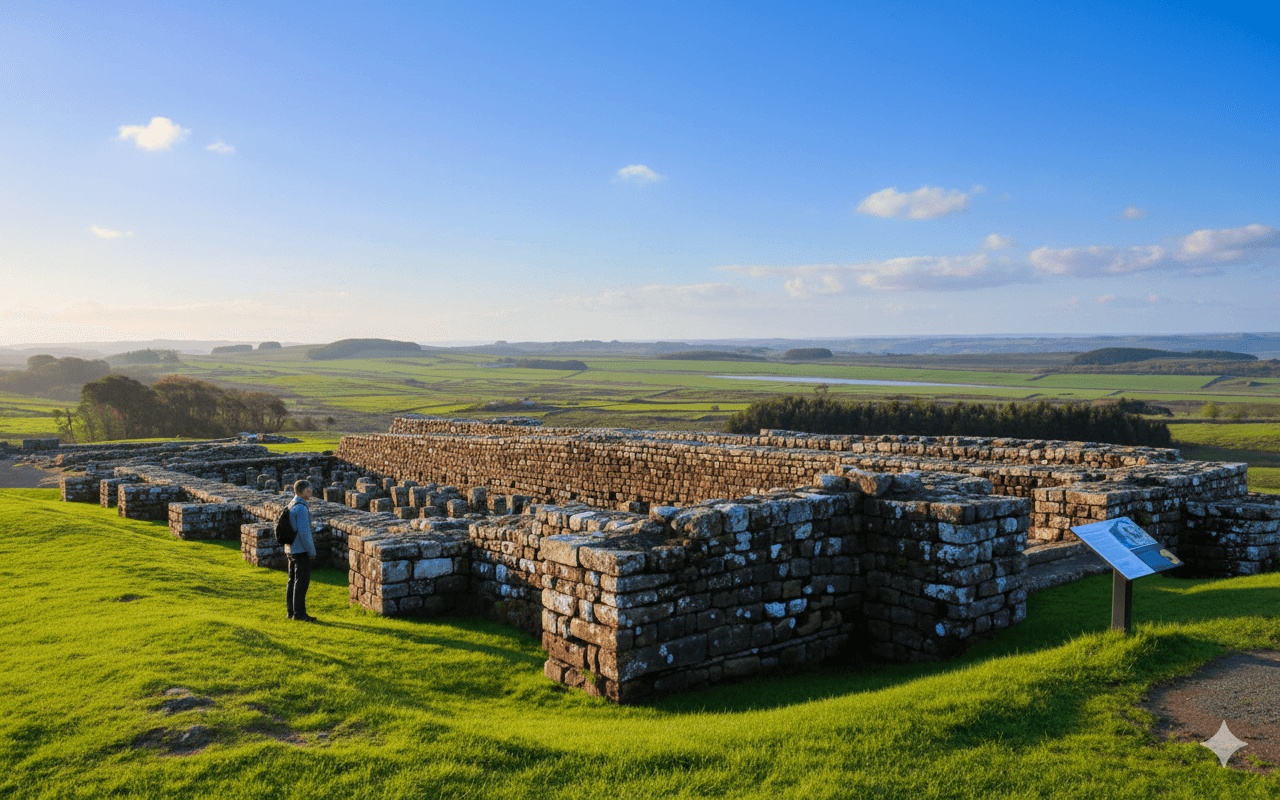
The approach to Housesteads from the east involves several substantial climbs, including the ascent of Cuddy's Crag and Hotbank Crags. These come relatively late in the day for many walkers, when energy may be flagging and leg muscles complaining. The constant staircase-like nature of the terrain here can be genuinely tiring.
West of Housesteads, the section over Highshield Crags and past Sycamore Gap involves the most dramatic ups and downs of the entire trail. The climb up to Highshield from Sycamore Gap feels relentless, and even fit walkers find themselves pausing for breath. The views from the top, however, reward every step of effort.
The final climb to Steel Rigg comes when many walkers are at their most tired, but the sense of achievement on reaching the crestÔÇöknowing the most challenging terrain lies behind youÔÇömakes the effort worthwhile. From here, the trail continues westward but the most severe undulations are complete.
Physical Preparation
The single most effective preparation for the challenging central section is training walks that include hills. Flat walking, however many miles you cover, simply doesn't prepare your muscles for the specific demands of climbing and descending. Seek out hills in your local area, even modest ones, and practise walking up and down them until your legs feel comfortable with the effort.
If you live in genuinely flat terrain without access to hills, stair climbing provides a reasonable substitute. Walking up and down multiple flights of stairs, or using a stair-climbing machine at a gym, builds the specific muscle strength needed for hill walking. Aim for sessions of 30-60 minutes to replicate the sustained effort of a day on the crags.
Building overall walking fitness remains important too. By the time you tackle the central section, you'll already have walked several days along the trail. The accumulated fatigue from previous days affects your performance, so training should include back-to-back walking days to acclimatise your body to continuous exertion. A preparation programme might include several weekend double-headersÔÇösignificant walks on consecutive daysÔÇöin the months before your Hadrian's Wall holiday.
Our fitness preparation guide provides detailed training programmes for different starting fitness levels. Following a structured approach in the 8-12 weeks before your walk significantly improves your experience on the challenging sections.
Choosing Your Itinerary Wisely
The itinerary you choose profoundly affects how challenging the central section feels. On our 4-day walk, the central crags must be tackled alongside substantial distances elsewhere in the dayÔÇötypically 15-18 miles including this demanding terrain. Only genuinely fit, experienced walkers should consider this option.
The 6-day itinerary spreads the challenging section more comfortably, though days covering the crags still involve respectable distances. This remains our most popular option and suits walkers with good general fitness and some hill-walking experience.
For those concerned about the challenge, the 7-day or 8-day itineraries provide genuinely comfortable options. Shorter daily distances mean you can take the crags at a relaxed pace, pause for rest whenever needed, and still arrive at your evening accommodation feeling tired but not exhausted. The additional days also allow time for visiting Vindolanda and other Roman sites without rushing.
Pacing Yourself on the Day
When walking the challenging section, pacing becomes crucial. The temptation to push hard early in the day, when you're fresh and the terrain seems manageable, often leads to exhaustion later. A better strategy involves starting at a sustainable paceÔÇöone you could theoretically maintain all dayÔÇöand only speeding up if you find you have energy to spare towards the end.
Take proper breaks. Find sheltered spots for rest stops, eat something small but energy-rich every hour or two, and keep well hydrated. The exposed nature of the crags means you can become dehydrated faster than you might expect, particularly on warm days when the wind masks how much you're sweating.
Walking poles significantly reduce the strain on your legs during both ascents and descents. On the uphill sections, poles help you engage your arm muscles to share the workload with your legs. On the descentsÔÇöwhere tired legs are most likely to struggleÔÇöpoles provide stability and reduce the impact on your knees. If you don't normally use poles, consider borrowing or buying a pair for your Hadrian's Wall walk.
Mental Approach
Beyond physical preparation, mental approach affects how you experience challenging terrain. Viewing the central crags as an ordeal to be endured almost guarantees a difficult time. Instead, try to embrace the challenge as part of the adventure, appreciating that the dramatic scenery comes directly from the terrain that makes the walking demanding.
Break the day into manageable sections. Rather than thinking about the total distance, focus on reaching the next milecastle, the next crag, or the next rest stop. Celebrate small victories along the way. The path offers natural milestonesÔÇöHousesteads, Sycamore Gap, Steel RiggÔÇöthat give structure to your progress.
Remember that you're walking through one of the most historically significant landscapes in Europe. The Romans who built and garrisoned the Wall endured far worse conditions with far less comfortable equipment. Modern Gore-Tex and lightweight boots make our crossing infinitely easier than theirs. Drawing on this historical perspective can provide motivation when legs are tired and the next climb looks steep.
Weather Considerations
The exposed nature of the central crags means weather has a disproportionate impact on the walking experience. Hot, sunny conditions can lead to dehydration and heat exhaustion on terrain that offers little shade. Strong winds make the narrow paths feel more precarious and increase energy expenditure significantly. Rain makes rocky sections slippery and can turn earthen paths into mudslides.
Check weather forecasts carefully and be prepared for conditions to change. The weather guide explains what to expect in different seasons. Carry waterproofs regardless of the forecastÔÇöafternoon showers can blow in quickly from the west. In summer, carry adequate sun protection and extra water.
The upside of challenging weather is often reduced crowds. Some of the most memorable days on the Wall come when low cloud creates an atmospheric experience quite different from bright sunshine. Rain showers passing through the landscape create dramatic light effects. Don't be discouraged by imperfect forecastsÔÇöwith proper clothing, the central crags are rewarding in almost any conditions.
What Happens If You're Struggling
Despite best preparations, some walkers find themselves struggling with the central section. This is not failureÔÇöit's simply recognition that long-distance walking doesn't suit everyone equally. If you're finding the going genuinely difficult, options exist.
The path occasionally offers opportunities to cut short a day's walking, though these are limited in the central section due to the remote terrain. The AD122 bus service connects several points along the Wall, allowing tired walkers to cover sections by road rather than on foot. Our transport guide explains how to use public transport along the Wall.
We can sometimes rearrange itineraries mid-walk to provide an additional rest day or redistribute the most challenging sections across more days. This requires advance notice and isn't always possible depending on accommodation availability, but we do our best to help walkers complete their journey comfortably.
Walking with companions helps both practically and psychologically. Sharing the challenge, encouraging each other through difficult sections, and celebrating achievements together enhances the experience for everyone. If you're concerned about tackling the Wall alone, consider joining a guided group or travelling with friends.
The Reward
For all the challenge it presents, the central section delivers rewards that simpler terrain cannot match. The views from the crags rank among the finest in EnglandÔÇömiles of Wall visible in either direction, the dramatic landscape stretching to distant horizons, the palpable sense of history in every stone. The physical effort makes the beauty more meaningful; you've earned these views in a way that car-bound visitors never can.
Completing the central section brings a profound sense of achievement. Whatever else happens on your walk, you'll know you've tackled the toughest terrain Hadrian's Wall offers and emerged victorious. This achievement stays with you long after tired legs have recovered, becoming part of your personal story of adventure and accomplishment.
Ready to tackle the challenge? Our range of itineraries includes options for every fitness level, and we're happy to advise on the best choice for your circumstances. Complete our enquiry form to start planning your Hadrian's Wall adventure.
Useful resources: National Trail.