July is high summer on Hadrian's Wall Path - the warmest month of the year, with school holidays bringing peak visitor numbers and accommodation booking at its most competitive. For families constrained to holiday periods and walkers who want the best chance of consistently warm weather, July may be the obvious choice. But it requires realistic expectations and advance planning that other months don't demand.
The reality of July is that you'll share the path with more people than any other month. Popular spots like Sycamore Gap and Housesteads can feel genuinely busy, accommodation books up months in advance, and you need to plan your walk with more precision than the relaxed approach that works in quieter periods. The rewards are genuine - warm weather, long days, the landscape at its fullest - but they come with trade-offs that suit some walkers better than others.
This comprehensive guide provides an honest assessment of July walking on Hadrian's Wall: what conditions to expect, how to manage the challenges of heat and crowds, what to pack, how to secure accommodation, and how to make the most of peak summer if July is your month. By the end, you'll know exactly what July walking involves and can decide whether it's right for your Hadrian's Wall adventure.
July Weather: The Warmest Month
July is statistically the warmest month on Hadrian's Wall, though the difference from June isn't dramatic. What July does offer is the highest probability of sustained warm weather - if you want multiple consecutive days of sunshine, July gives you the best odds. But this is still northern England, and heatwaves are interspersed with cooler, cloudier periods. Understanding typical July conditions helps you prepare appropriately.
Average daytime temperatures in July range from 19-21°C, with warmer days regularly reaching into the low to mid-20s. Occasional hot spells can push temperatures higher still - the crags under a 28°C sun with no shade present real challenges. These are temperatures that feel genuinely hot during the exertion of walking, particularly on climbs and in sheltered sections where air movement is limited. Check the Met Office for forecasts.
Rainfall is variable in July. It's not typically a wet month, but thunderstorms are more common than in June, sometimes bringing intense short-lived downpours. An otherwise perfect day can include a dramatic afternoon storm that passes through in an hour. These storms are usually manageable - you might get wet but you'll dry quickly in the warm air - but they add unpredictability to planning. Checking the forecast each morning helps you anticipate when storms might develop.
Daylight remains generous through July, though slightly shorter than June's maximum. You still have 15-16 hours of useful light, ample for any reasonable walking day. The days feel full and generous, and there's no sense of racing against darkness. Even with a leisurely start, extended lunch, and time for photography and site visits, you'll finish with daylight to spare.
Humidity can be higher in July than other months, making warm temperatures feel more oppressive. The combination of warmth and humidity increases fluid needs and can make the same temperature feel harder to manage than a dry heat. Pay attention to how humid it feels rather than just the temperature when planning your day's effort.
What July Walking Actually Feels Like
Picture yourself setting out on a July morning. Even at 7:30am, there's warmth in the air - you know today will be hot. You're wearing lightweight clothing, sun hat already on, sunscreen applied. Your pack feels heavier than usual because you're carrying three litres of water rather than the one or two that would suffice in cooler months.
The first couple of hours are the best walking of the day. The air is still fresh, the temperature comfortable, and you make good progress along the path. The landscape is at its fullest - every field, hedge, and tree bursting with summer growth. Meadow flowers line the path margins, bees are busy in the clover, and the occasional butterfly flutters past - see our wildlife guide for more. This is summer at its most generous.
By mid-morning, the heat is building. You've shed any spare layers, rolled up sleeves, and are drinking regularly from your water supply. The climb up to the crags, which would be pleasant in September, requires deliberate pacing - rushing would exhaust you. You stop at the top, slightly out of breath, and take in the view while you recover.
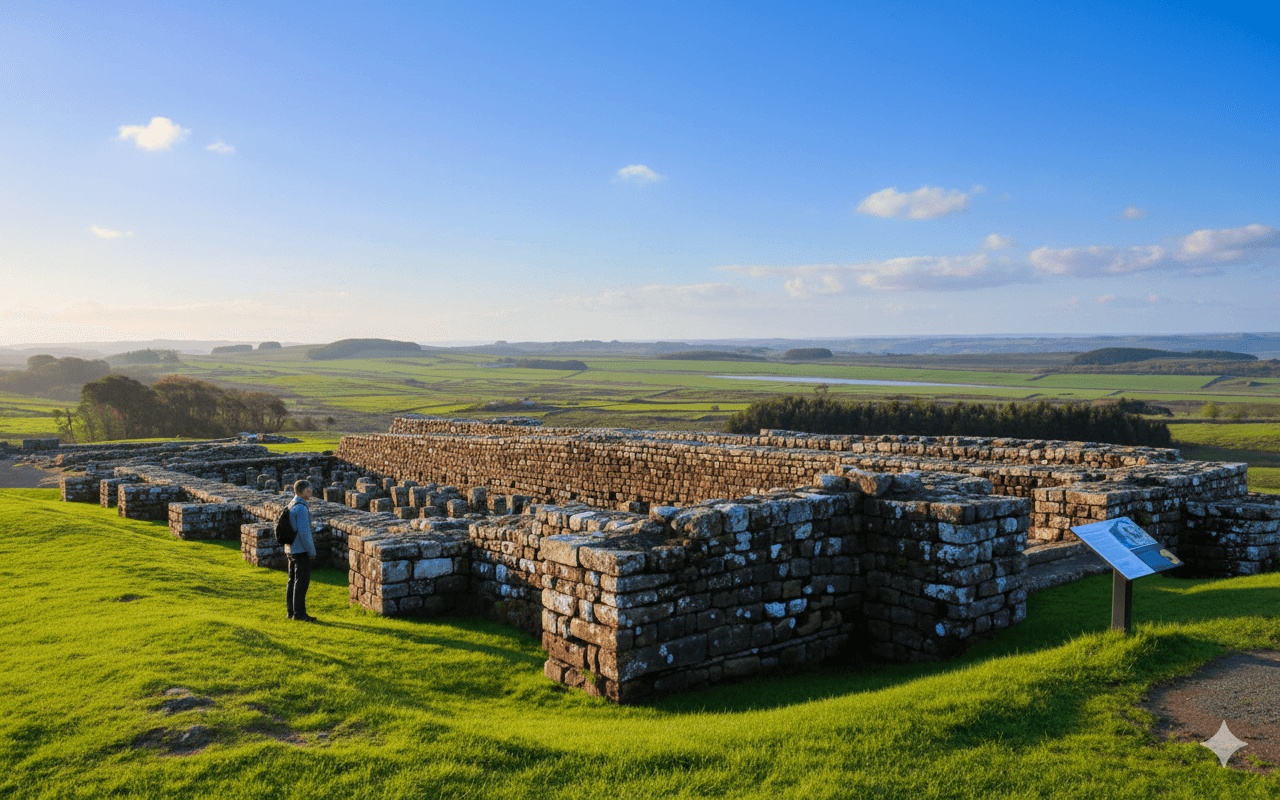
The view is spectacular - you can see for miles in the clear summer air over Northumberland. But you're also very aware of the other walkers. Several groups are visible on the path ahead, a family is picnicking at a viewpoint, and you can hear voices carrying across the still air. This is July's trade-off made visible: glorious weather, stunning views, but shared with more people than you'd encounter in quieter months.
Lunch is a careful calculation. You find a spot with some shade - a rare commodity on the exposed crags - and rest longer than you normally would. There's no rush. The afternoon sun would be brutal for walking, so you wait for the heat to moderate slightly before continuing. This extended midday break is standard practice for July walking.
The afternoon walk is harder work, even with the rest. You're drinking more, sweating more, and walking slower than your usual pace. But the long day means there's no pressure, and by late afternoon, temperatures begin to ease slightly. You arrive at your accommodation tired but satisfied, ready for a shower and a cold drink.
Managing Heat in July
The warmth that makes July attractive also presents its main challenge. Walking 15 miles in 25°C heat is fundamentally different from the same distance at 15°C. Walkers who thrive in cooler conditions sometimes struggle in July heat, and those without experience of warm weather walking may underestimate its demands. Taking heat seriously is essential for both enjoyment and safety.
Hydration is absolutely critical. You need significantly more water than in any other month - at least 3 litres available for a full walking day, with refill points planned. Dehydration in heat progresses quickly from mild discomfort to genuine health risk. Start each day fully hydrated (your morning tea or coffee counts), drink consistently throughout rather than waiting until you're thirsty, and don't ration water out of misplaced concern about carrying weight. The weight is worth it.
Electrolyte replacement becomes important in extended hot-weather walking. When you sweat heavily, you lose salt and other minerals that plain water doesn't replace. Electrolyte tablets or powder added to some of your water, or salty snacks like nuts or crisps, help maintain your body's balance. Symptoms of electrolyte depletion include cramping, fatigue, and confusion - if you're experiencing these despite drinking plenty, you probably need salt as well as water.
Sun protection requires constant attention. July sun is strong enough to burn through light cloud, and hours of exposure without protection risk serious burns. Apply high-factor sunscreen (SPF 30 minimum, SPF 50 recommended) before setting out, reapply every two hours and after heavy sweating, and don't forget areas like ears, back of neck, and backs of hands that are constantly exposed. If you're wearing shorts, the backs of your legs burn surprisingly quickly.
Pacing must adapt to heat. Walking slower than you would in cool conditions, taking breaks in shade when available, and tackling the most exposed sections in early morning or late afternoon rather than at midday all help manage heat stress. The long days provide flexibility for a more measured pace - use that flexibility rather than trying to maintain your normal speed.
Heat exhaustion is a real risk for walkers pushing too hard in July conditions. Warning signs include heavy sweating followed by reduced sweating (a dangerous sign that your body's cooling system is failing), headache, nausea, fatigue, dizziness, and confusion. Our fitness preparation guide covers how to build endurance. If you or your walking partner show these symptoms, stop immediately, find shade, drink water, cool down with wet clothing if possible, and consider whether continuing is wise. Severe cases require emergency medical attention - don't hesitate to call for help if symptoms are serious.
What to Pack for July
July packing prioritizes heat management above all else. Light, breathable, sun-protective clothing and adequate water capacity are more important than rain gear, which often stays in your pack unused. Getting the balance right makes the difference between comfortable walking and heat-induced misery.
Clothing should be the lightest, most breathable items you have. Wicking synthetic fabrics work better than cotton, which becomes heavy and uncomfortable when wet with sweat. Light colours reflect heat rather than absorbing it. Consider long, loose sleeves rather than bare arms - properly designed sun-protective clothing can be cooler than exposed skin while eliminating the need for constant sunscreen reapplication. Technical hiking shirts with mesh ventilation panels and UPF ratings offer excellent performance.
Sun protection items are essential rather than optional. A broad-brimmed sun hat that shades face, ears, and neck is vital - baseball caps leave your neck and ears exposed to burning. Quality sunglasses protect your eyes from UV damage and reduce the fatigue of squinting all day. High-factor sunscreen applied liberally and frequently keeps skin safe from both immediate burning and longer-term damage.
Water carrying capacity must be generous. A 3-litre capacity through some combination of bottles and hydration bladder is advisable for full walking days. This adds weight, but the alternative - running short of water in heat - is dangerous and will ruin your day even if it doesn't put you in hospital. Know each day's water refill opportunities (pubs, cafes, villages with taps) and don't start long sections inadequately supplied.
Rain protection can be minimal in July. A lightweight packable jacket deals with any brief thunderstorms, and many walkers don't bother with waterproof trousers - wet legs dry quickly in warm air and wearing waterproof trousers in heat is extremely uncomfortable. Carrying an umbrella provides both rain and sun protection if you like that option - some hot-weather walkers swear by umbrellas for shade.
Footwear choices are wide open in dry July conditions. Trail shoes suit many walkers, particularly those covering longer distances who appreciate the weight savings and breathability compared to boots. Boots remain a valid choice for ankle support and personal preference. Either works well on July's typically dry trails. Whichever you choose, ensure good breathability - feet trapped in non-breathable footwear all day will be uncomfortable and prone to blisters.
Accommodation Realities in July
July accommodation booking is the most competitive of the year. School holidays bring family visitors, the weather attracts everyone else, and the limited beds along the wall fill months in advance. Without early planning, you'll struggle to find suitable accommodation at suitable locations, which can force you into longer daily walks to reach available beds or require car transfers between trail and accommodation.
Book 4-6 months ahead for July walking if you want your preferred accommodation. Six months ahead is not excessive for the most popular establishments in the central section around Once Brewed and Twice Brewed, and Steel Rigg. See our accommodation guide for options. Leaving July booking until a few weeks before your trip will likely result in either no availability at all or unsuitable options requiring transport between accommodation and trail.
Prices are at their annual peak in July. Every accommodation along the wall charges its highest rates, reflecting the demand. Budget-conscious walkers either accept the premium, choose less popular months, or book very early when occasional deals might still be available. Expect to pay 20-40% more than spring or autumn rates for the same rooms.
Midweek walking doesn't help availability as much as in other months. The school holiday effect means that families are walking any day of the week, not just weekends. Midweek July availability is better than weekends but not dramatically so - the effect that makes May midweek noticeably quieter doesn't apply in July.
Our walking holiday packages offer a significant advantage for July walking. We book accommodation months ahead across many dates, securing beds that independent bookers can't access when they start planning. If July is your only option, a package may provide access to better accommodation than you could secure independently, and the certainty of having your route booked removes significant stress from planning.
Dealing with Crowds
July visitor numbers are the highest of the year, and managing crowds becomes part of your walking experience. This doesn't mean the walk is ruined - most of the 84-mile path remains uncrowded even in July - but popular spots require strategies that aren't necessary in quieter months.
The famous locations - Sycamore Gap, Housesteads Fort, the dramatic crags viewpoints - concentrate visitor numbers. Day visitors access these from nearby car parks, guided tours arrive at predictable times, and through-walkers inevitably converge on the same highlights. Explore what English Heritage offers along the wall. At peak times on popular days (weekend afternoons in good weather are worst), you might wait for photographs, queue at gates and stiles, and share viewpoints with dozens of others rather than having them to yourself.
Early morning and late evening walking provides escape from crowds. Most day visitors arrive mid-morning and leave by late afternoon. If you're walking the popular central section at 7am, you'll likely have it largely to yourself - the car parks are empty and other through-walkers haven't yet reached the crags. The same applies to evening walking after 5pm when day visitors have departed. July's long daylight makes this strategic timing practical without requiring extreme early starts.
Walking against the flow can help at popular sites. Most through-walkers travel east to west, creating a predictable pattern of encounters. If you're walking sections out of sequence or in the opposite direction, you'll meet fewer people going your way and move through bottlenecks more quickly. This isn't always practical for your overall itinerary, but consider it for specific busy sections.
Acceptance and perspective matter. Yes, there are more people than in quieter months. But you're still walking through spectacular landscape, still experiencing the Roman frontier, still achieving something meaningful. Other walkers are there for the same reasons you are - to experience this remarkable place. A crowd at Sycamore Gap is testament to how special the place is. Rather than resenting others' presence, perhaps appreciate that you're all sharing an experience that draws people from around the world.
Who Should Walk in July?
July makes most sense for specific groups of walkers who have considered the trade-offs and decided they work:
Families with school-age children often have no choice - July (or August) is when they're free to travel. If this is your constraint, embrace July for what it offers rather than wishing for conditions you can't have. Read our beginners guide to prepare. The warm weather and long days are genuinely wonderful for family walking, children often handle heat better than adults, and the presence of other families can make the experience more sociable.
Walkers who want the best chance of warm, dry weather choose July deliberately. If cool or wet conditions would significantly diminish your enjoyment, July offers the best statistical odds of consistent warmth. You're accepting crowds and higher prices in exchange for weather probability - a trade-off that makes sense for some people.
International visitors whose trip timing is fixed by other factors (flights, other UK destinations, limited annual leave) often end up in July simply because that's when they're here. Again, embrace what July offers rather than dwelling on alternatives you can't access. July on Hadrian's Wall is better than no Hadrian's Wall at all.
Walkers who enjoy company rather than solitude may positively prefer July. You'll meet more people, share experiences and conversations, and find a social atmosphere that quieter months lack. If you're walking solo and would appreciate encountering others, July delivers that sociability.
July is less ideal for walkers who strongly prefer solitude, those who struggle in heat, those booking at short notice, and those on tight budgets. See our cost guide for budgeting. These walkers are usually better served by May, June, or September, when conditions are pleasant but crowds and prices are reduced.
Practical Tips for July Success
Several practical strategies help make July walking more enjoyable:
Start early when tackling the most exposed sections. Setting off at 7am means you've covered significant distance before the day heats up. By the time you'd be struggling in afternoon sun, you're approaching your destination. This requires accommodation that serves early breakfast or provides packed breakfast options - check when booking.
Take extended lunch breaks in shade during the hottest hours. If you can find a pub, café, or shaded spot for a long midday rest, you avoid walking through peak heat and return to the trail when conditions moderate. The Spanish siesta approach works well in July: walk in the morning, rest through the hottest hours, walk again in the cooler late afternoon and evening.
Plan water refills carefully. Know where you can top up on each day's route - pubs like the Robin Hood Inn, cafes at sites like the Sill, villages with taps. Don't pass a refill opportunity when your bottles are running low. In July heat, running short of water is genuinely dangerous and will ruin your day even if it doesn't cause a medical emergency.
Have indoor alternatives in mind. Vindolanda's excellent museum, Housesteads visitor centre, the Sill National Landscape Discovery Centre, and other indoor attractions provide welcome shade and cooling if you need a break from sun. Building site visits into hot days isn't avoidance - it's sensible heat management and good use of time that might otherwise be spent suffering.
Accept that some days may be too hot for full walking. If temperatures spike into the high 20s or above, consider a shorter day, alternative activities, or even a rest day. Pushing through dangerous heat for the sake of completing planned miles is foolish and can have serious health consequences. Flexibility to adapt your plans to conditions is valuable.
Itinerary Considerations for July
Planning your July itinerary requires thought about heat management as well as distances. Some approaches work better than others in summer conditions.
Consider itineraries that tackle the exposed central section early in your walk, when you're fresh and can start early morning, rather than saving it for later when tiredness makes heat harder to manage. If your accommodation allows, position yourself to walk the crags on a day with a good weather forecast rather than leaving it to chance.
Building in a rest day or flexible day in the central section gives you options. If a day is forecast to be extremely hot, you can rest and walk the next day when conditions improve. If weather is good, you walk as planned. This flexibility is valuable in July when conditions can vary significantly.
Shorter daily distances than you might plan for spring or autumn are sensible in July heat. Walking 12 miles in comfortable temperatures is very different from 12 miles in 25°C heat - the latter is significantly more demanding. Check our duration guide and difficulty assessment. Being realistic about distances prevents exhaustion and allows you to actually enjoy the walk rather than just surviving it.
Plan Your July Walk
July on Hadrian's Wall requires more planning and realistic expectations than other months, but rewards walkers who prepare properly with warm weather, long days, and the full summer experience. Book early, prepare for heat, accept the busier conditions, and approach the walk with the right mindset. Our baggage transfer service helps you walk lighter in the heat. Learn more at Hadrian's Wall Country.
Our walking holiday packages are particularly valuable for July. We secure accommodation far in advance, provide heat-management advice based on current conditions, and arrange baggage transfer so you walk light when carrying water matters most. We understand July's challenges and can help you navigate them successfully.
Planning a July walk? Contact us early - ideally 4-6 months before your intended dates - to secure the best accommodation and support for your peak summer Hadrian's Wall adventure. July walking is absolutely possible and can be wonderful - it just requires the right preparation.