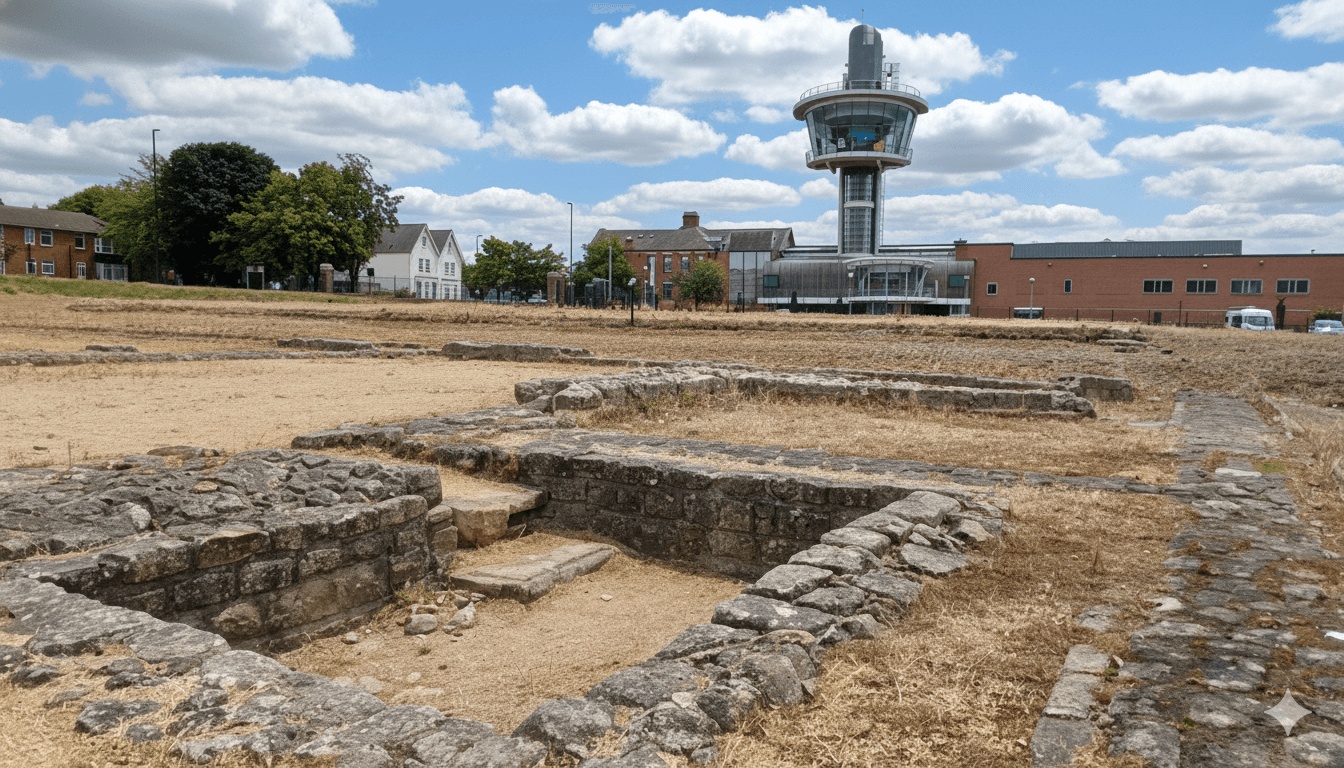
October brings true autumn to Hadrian's Wall. The clocks change, days shorten noticeably, and the landscape transforms with golden and russet tones. Walking in October requires more planning than summer months and offers different challenges, but rewards those who come prepared with dramatic scenery, genuine solitude, and the atmospheric quality of the wall in its autumn dress.
October sits at the transition between the main walking season and winter. Early October often continues September's pleasant conditions, while late October can feel decidedly wintry. Understanding this progression and preparing appropriately allows you to enjoy one of the most visually striking times to experience Hadrian's Wall.
This comprehensive guide covers everything you need to know about walking Hadrian's Wall in October: realistic weather expectations, the dramatic autumn colours, what to pack for more challenging conditions, managing shorter daylight hours, accommodation considerations, and the unique rewards this atmospheric month offers. By the end, you'll know whether October walking suits you and how to prepare for success.
October Weather: Transitional Conditions
October weather varies significantly through the month as autumn deepens toward winter. The conditions you experience in the first week may be very different from those in the last week, and understanding this progression helps you prepare appropriately.
Average daytime temperatures in October range from 11-14°C - comfortable for walking when you're generating heat through exertion, but noticeably cooler than summer months. Overnight temperatures drop toward 5-8°C, and the first frosts become possible toward month's end. The temperature trend is clearly downward, a constant reminder that winter approaches. By late October, morning starts can feel genuinely cold until you warm up through walking.
Rainfall increases through October compared to September. Frontal systems become more frequent, and when rain arrives, it's often more persistent than summer showers. Where August might give you a twenty-minute thunderstorm, October rain can settle in for half a day. Wet days are more likely in October than in any summer month, and you should expect to use your waterproofs seriously rather than just carrying them hopefully.
Wind becomes more of a factor in October. The Atlantic weather systems that bring rain also bring wind, and the exposed crags can feel significantly more challenging than in sheltered conditions. A 12°C day that would be pleasant in still air becomes demanding when a 25mph wind is driving into your face. Check the Met Office for forecasts. Wind chill matters more as base temperatures drop - exposed skin and inadequate layers become problems that summer walkers don't face.
The clock change at the end of October dramatically affects daylight. Before the change (typically the last Sunday of October), you have roughly 11 hours between sunrise and sunset. After the clocks go back, that drops to below 10 hours, and the afternoon darkens noticeably earlier. If your walk spans the clock change weekend, be prepared for the shift - a day that felt manageable suddenly feels rushed when sunset arrives an hour earlier than your body expects.
That said, October also delivers some magnificent days. Bright, crisp October mornings with clear blue skies are among the finest walking conditions of the year. The key is preparing for the challenging conditions while hoping for the good ones.
Autumn Colours on the Wall
October's great visual reward is the autumn colour that transforms the landscape. The greens of summer give way to a palette of gold, amber, russet, and brown. Against this backdrop, the grey Roman stones stand in striking contrast, the wall's ancient lines emphasised by the warm tones surrounding them.
The exact timing and intensity of autumn colour varies each year depending on weather patterns. Generally, colour builds through October, reaching its peak around mid-to-late month. Some years deliver spectacular displays with intense golds and vivid reds; others are more muted with browns dominating. You can't predict exactly what you'll find, but October always offers something different from summer's uniform green.
The deciduous trees along the path - particularly in the wooded sections and around villages like Gilsland and Brampton - provide the most vivid colour. Oaks turn amber, beeches go copper, and the occasional maple blazes red. The hedgerows take on bronze tones, and rosehips and hawthorn berries add splashes of red against the browning leaves.
But the overall landscape transforms too, not just the trees. Golden grasses replace summer's green. Brown bracken covers the hillsides. The purple-brown of moorland after heather has faded creates earthy tones on the higher ground. Everything has a particular October quality - richer, warmer, more contemplative than summer's bright abundance.
For photographers, October light combined with autumn colour creates exceptional opportunities. The low sun angle creates long shadows that give texture to the landscape. Walk the most scenic section for the best views. The golden palette resonates with the warm light of morning and evening. Often dramatic skies - mixing bright patches with dark clouds - add visual interest that clear summer blue doesn't provide. The combination produces images that capture something essential about the season and about this landscape at its most atmospheric.
What October Walking Feels Like
Picture yourself on an October morning. The overnight temperature dropped to 5°C, and frost sparkles on the grass at 8am when you set out. Your breath mists in the cold air, and you're wearing everything - base layer, fleece, waterproof on top. The sky is clear, the sun low and golden, casting long shadows across the landscape.
The first hour's walking warms you through. You shed the waterproof, open the fleece zip, and settle into a rhythm. The path is firm underfoot - not yet muddy from autumn rains - and the autumn colours are at their peak. The wall ahead stands grey against a hillside of gold and brown. You stop to photograph, knowing that days like this are rare gifts.
By mid-morning, you've settled into the day's pattern. Warmer on the climbs, cooler on the descents when you stop generating heat. The exposed crags have a bite to the wind that sheltered sections lack. You time your breaks for sunny spots out of the breeze, unpacking your lunch to appreciate views that would be crowded with photographers in September.
The afternoon changes character. Clouds build from the west, the temperature drops a few degrees, and the light shifts from golden to grey. You add layers, check the time, and adjust your pace - sunset is at 5:30pm, and you want to finish comfortably before dark. The landscape feels more serious now, more demanding of respect. This is October walking: rewarding but requiring attention.
You finish with light to spare, but not much. The pub welcomes you with warmth and firelight. Your gear is damp around the edges, your legs pleasantly tired, and you're deeply satisfied with a day that reminded you what walking is about - not just pleasant strolls in easy conditions, but engaging with the landscape in all its moods.
What to Pack for October
October packing must handle more demanding conditions than summer while remaining manageable for walking. Err on the side of too much warmth rather than too little - being slightly too warm on a mild day is far preferable to being cold and exposed on a challenging one.
Layering is essential. A moisture-wicking base layer, a proper midlayer (fleece or light insulation), and a warm outer option give you the flexibility to handle October's variable temperatures. You might start the day in full layers and shed them by mid-morning as you warm up, only to rebuild them when you stop for lunch and cool down quickly. The ability to adjust constantly is key to comfort.
Waterproofs should be full quality rather than the minimal approach that works in summer. A properly waterproof and windproof jacket is essential - not just shower-resistant but genuinely waterproof for sustained rain. Features like a hood that fits over a hat, taped seams, and pit zips for ventilation matter in October. Waterproof trousers are definitely worth carrying - October rain combined with wind is uncomfortable and potentially dangerous without proper leg protection.
Hat and gloves should be proper warm versions rather than the light emergency items that summer walkers carry. A wool or fleece hat that covers your ears makes a significant difference on windy crags - heat loss through your head is substantial, and ears exposed to cold wind become painful. Windproof gloves that maintain dexterity while keeping your hands warm allow you to handle map, camera, and snacks without suffering.
A headtorch or torch is essential for October walking. The shorter days and potential for delayed finishes mean you might be walking in twilight or darkness. Having reliable light removes any anxiety about being caught out by fading light and allows you to extend your day if needed. A headtorch is preferable as it keeps your hands free for using walking poles or steadying yourself on rough ground.
Footwear should be proper waterproof boots with good ankle support. October paths may be wet from rain and morning dew, muddy sections return after the dry summer, and the stability of boots matters more as you tire after long days. Trail shoes that work well in dry summer conditions are less suitable now - cold, wet feet in breathable trail shoes make for a miserable day.
Daylight Planning
Shorter days require more careful planning than summer months allow. You have less margin for delays, longer lunches, or extended site visits. October walking is about efficiency as well as enjoyment.
Start times matter more in October. Setting off by 8-9am maximises your available daylight. Summer's leisurely 10am starts are no longer practical if you have significant distances to cover. This may require early breakfast arrangements with your accommodation - check when booking whether early starts are possible.
Daily distances should be realistic for the available light. What's comfortable in June's 16 hours of daylight becomes rushed in October's 10-11 hours. Consider itineraries with shorter daily distances than summer, or accept that you won't have time for extensive sightseeing along the way. A 15-mile day that allows time for lunch, photography, and site visits in June becomes a forced march in October.
Know your escape routes. Having identified points where you can leave the trail for accommodation or transport provides security if weather delays you or conditions deteriorate. The central crags section has fewer escape options than the flatter eastern and western thirds, where roads run closer to the path. Study the map before you set out each day so you know your options.
If the clocks change during your walk (typically the last Sunday of October), factor this into your planning. The day after the clocks go back, you lose an hour of evening light. A day that would have had sunset at 5:30pm suddenly has sunset at 4:30pm. Don't be caught out by this - adjust your plan for the post-clock-change days.
Have a torch and be prepared to use it. On shorter October days, finishing the last mile in twilight or headtorch light isn't a failure - it's a normal part of autumn walking. What matters is being equipped to do so safely.
Accommodation in October
October accommodation booking is straightforward compared to summer's challenges. Demand has dropped significantly, availability is good, and prices return to off-season levels - see our cost guide. You'll have your choice of accommodation without the advance planning that summer demands, giving you more flexibility in your itinerary.
Some smaller establishments close for winter from late October or early November. Check that your chosen accommodation is open if you're walking in the last week of the month or around half-term (when some places remain open but others don't). The main hotels and larger B&Bs stay open year-round, but some smaller family-run places take a winter break.
Drying facilities become important again in October's wetter conditions. After a wet day walking, you need somewhere to dry gear overnight - wet boots and clothing don't dry on their own in a cool room. Check that your accommodation can accommodate wet kit - most walker-friendly places have a drying room or can arrange heated drying space. Starting a day in damp gear is deeply unpleasant and can affect your safety as well as comfort.
Heating in your room matters more in October. Where summer accommodation might feel fine without heating, October nights are cold enough that you'll want a warm room to return to. Most places turn on heating by October, but it's worth confirming if you're sensitive to cold.
The AD122 bus service typically ends for the season sometime in October - often mid-month, though this varies year to year. Check current schedules on our transport guide if you're planning to use public transport for linear walks or reaching the trail. After the bus stops running, transport logistics become more complicated.
October's Unique Atmosphere
Beyond the practical considerations, October has an atmosphere that some walkers find particularly compelling. The wall feels different in October - more serious, more remote, closer to what Roman soldiers might have experienced on this northern frontier. The busyness of summer is gone; the landscape settles into autumn contemplation.
The solitude of October is more complete than September's. Not only have the summer crowds gone, but many of the September walkers - those seeking the sweet spot of good weather and quiet trails - have also finished. October's walkers are a smaller, more dedicated group, and you may encounter no one for hours.
The wildlife has changed character. Summer migrants have left - no more swallows swooping over the fields. But autumn brings its own activity: flocks of fieldfares arriving from Scandinavia, berry-rich hedgerows alive with birds fattening for winter, perhaps a red deer crossing a distant hillside - see our wildlife guide for what to look for. The ecology is different, and observant walkers notice.
There's something contemplative about walking through a landscape heading into winter. The abundance of summer is past, the colours are fading even as you watch them, and the shortening days remind you that this season won't last. For walkers who appreciate seasonal rhythms and atmospheric walking, October offers emotional depth that fair-weather months don't quite match.
Who Should Walk in October?
October suits experienced walkers who appreciate autumn's unique character and are comfortable with more demanding conditions. The rewards of solitude, autumn colour, and atmospheric walking justify the challenges for the right walker. Consider October if you:
Have experience of challenging walking conditions and know how to look after yourself when weather turns difficult. Our fitness preparation guide will help you get ready. If you've only walked in summer, October's potential for sustained rain, cold wind, and limited daylight may come as a shock.
Value solitude and atmosphere over guaranteed good conditions. October delivers quiet trails and a contemplative quality that summer can't match, but at the cost of weather reliability.
Appreciate autumn specifically and want to see Hadrian's Wall in its autumn dress. The visual rewards of October - the colours, the light, the atmospheric skies - are available only now.
Are flexible enough to adapt to conditions. October requires a willingness to modify plans if weather is severe, to take a shorter day if conditions demand it, or to extend a day if good weather deserves celebration.
October is less suitable for first-time long-distance walkers who are still learning their limits and preferences. Check our difficulty assessment. If challenging weather would significantly diminish your enjoyment rather than just testing you, consider May-September instead. October asks more of walkers than summer does, and being honest about your readiness is important.
Itinerary Considerations for October
Planning an October itinerary differs from summer planning in several key ways:
Build in flexibility. Having an extra day's buffer in your schedule means you can take a rest day if weather is severe, or stretch a difficult day across two if conditions demand it. Tight itineraries that work in summer become risky in October's variable weather.
Consider shorter daily distances. What's comfortable in long summer days becomes challenging in October's limited daylight. Check our duration guide for itinerary options. Reducing your daily mileage by 15-20% compared to summer plans gives you margin for slower progress in difficult conditions.
Position your challenging sections carefully. If you can, tackle the exposed central crags on forecast good days. Having flexibility to adjust which sections you walk on which days, based on weather, helps you make the most of conditions.
Plan for early finishes. In October, finishing your walking day by 4pm rather than 6pm is often wise. This gives you margin for the unexpected and means you're not racing against fading light.
Plan Your October Walk
October on Hadrian's Wall offers dramatic autumn walking for those prepared to handle the conditions. The autumn colours, genuine solitude, and atmospheric quality reward walkers who come properly equipped and with realistic expectations. Solo walkers particularly appreciate October's tranquility. Our baggage transfer service lets you walk lighter. Explore more at Hadrian's Wall Country, Visit Northumberland, and English Heritage.
Our walking packages can be tailored for October conditions, with appropriate daily distances, accommodation that provides good drying facilities, and the flexibility to adapt to weather. We understand October's demands and can help you plan accordingly.
Ready for autumn walking on Hadrian's Wall? Get in touch to plan your October adventure. Come prepared for the challenges, and October will reward you with experiences that summer walkers never see.