August continues the peak summer season on Hadrian's Wall, sharing July's characteristics of warm weather, school holiday crowds, and competitive accommodation booking. What distinguishes August is the heather - from mid-month onwards, the moorland sections of the wall turn purple with flowering heather, creating a visual spectacle unique to this time of year. For walkers who appreciate this landscape transformation, August offers something no other month can match.
The practical realities of August walking mirror July's challenges: high visitor numbers, accommodation that books months ahead, and prices at their peak. Weather is typically slightly cooler than July, and the days are noticeably shorter by month's end, but conditions remain firmly in summer territory. Understanding what August involves helps you decide whether its unique rewards justify its challenges.
This comprehensive guide covers everything you need to know about walking Hadrian's Wall in August: the famous heather bloom, typical weather conditions, how to handle the crowds, what to pack, and the particular atmosphere of late summer on the Roman frontier. By the end, you'll understand exactly what August walking offers and whether it's right for your Hadrian's Wall adventure.
August Weather: Late Summer Character
August weather continues the summer pattern with some evolution toward autumn characteristics, particularly as the month progresses. Early August feels much like late July; late August hints at the transition to come. Understanding this progression helps you prepare appropriately and set realistic expectations.
Average daytime temperatures in August range from 18-20°C - slightly cooler than July but still genuinely warm for walking. Hot spells remain possible, occasionally pushing into the mid-20s, but the extreme heat days that July sometimes delivers are less common. This slight moderation makes walking more comfortable for those who found July demanding, while still providing summer warmth that many walkers appreciate.
Rainfall increases slightly in August compared to July, though it's still generally a reasonable month for walking. The character of rain shifts somewhat - fewer dramatic thunderstorms, more frontal rain systems that can bring longer wet periods. A wet week in August is more common than in July, though plenty of August walkers enjoy consistently dry conditions. The key is preparing for the possibility of rain while hoping for sunshine.
Daylight reduces noticeably through August. You start the month with about 15 hours of useful light and end it with closer to 13 hours. This is still generous by any reasonable standard - far more than spring months - but the trajectory feels different from June and July when days were at their longest. Late August evenings start drawing in, a subtle reminder that summer doesn't last forever and the walking season will eventually wind down.
Night temperatures begin to drop toward the end of August. While early August nights remain mild, late August can bring cooler nights that hint at autumn. This affects your accommodation (you might want heating on late August evenings) and your packing (an extra layer becomes more justified).
The Heather Factor: August's Unique Reward
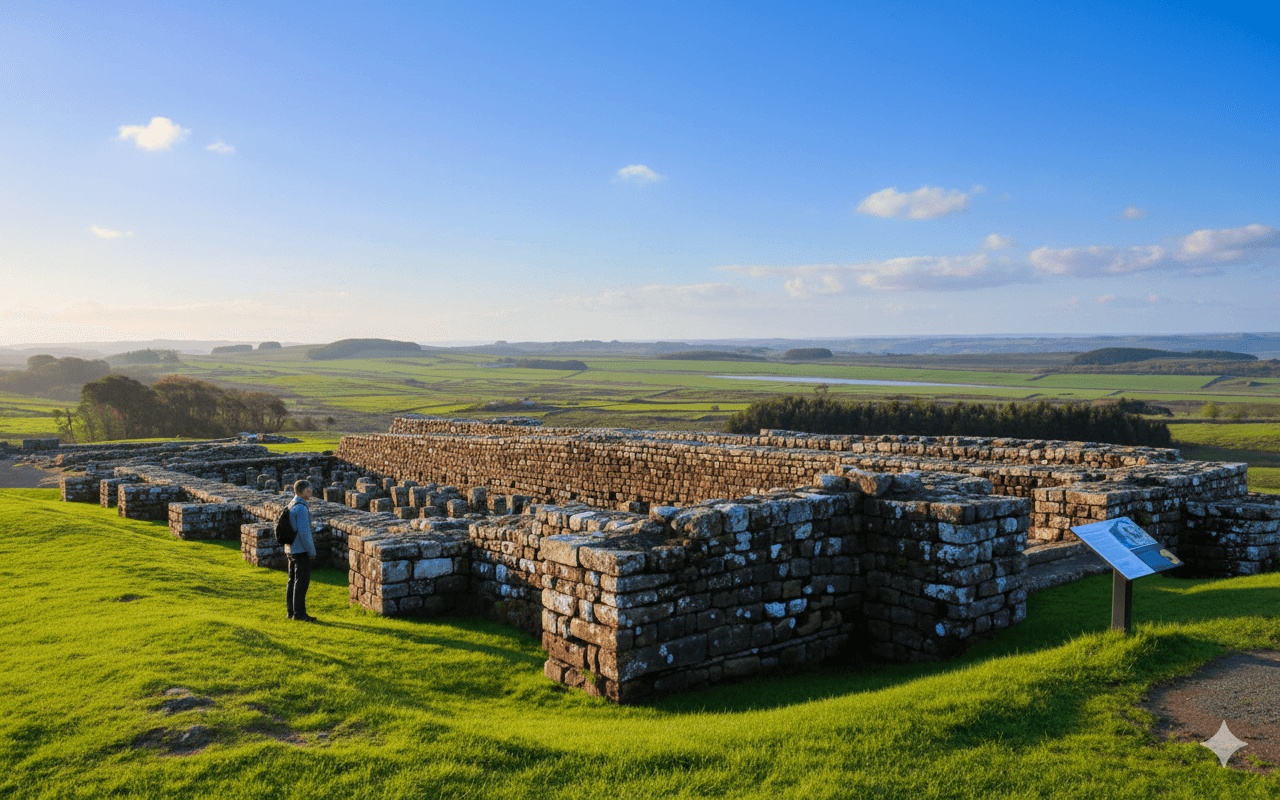
What makes August unique among all months is the heather bloom. From around mid-August onwards, the moorland sections of Hadrian's Wall transform into carpets of purple. The effect is stunning - the grey Roman stones standing against vibrant purple hillsides, the entire landscape taking on a colour palette that appears at no other time of year.
The heather is most prominent on the higher moorland sections, particularly around the central crags and the areas between Once Brewed and Gilsland. The Whin Sill crags, where the wall rides the dramatic escarpment, are fringed with heather moorland that turns purple in late August. Walk the most scenic section to see it at its best. The combination of the wall's ancient stones, the dramatic topography, and the purple heather creates scenes that have been photographed countless times but still stop walkers in their tracks.
The timing varies slightly each year depending on weather patterns - a cool, wet summer can delay the bloom, while a warm, dry one can bring it forward. But you can reasonably expect good colour from the second week of August through early September. If you specifically want to experience the heather at its best, the last two weeks of August typically deliver the most reliable purple.
For photographers, the heather bloom provides exceptional opportunities. The contrast of purple heather, grey stone, green grass, and blue sky creates images impossible at other times. Golden hour light on heather-covered crags produces photographs that capture something essential about this landscape. Early morning and evening light is particularly effective, when the purple colour deepens and the low sun creates texture in the heather.
Wildlife responds to the heather bloom too. Grouse are active in heather moorland, and you may hear their distinctive "go-back, go-back" calls or see them bursting from cover as you pass - our wildlife guide describes more of what you might spot. Bees work the heather flowers - heather honey is a Northumberland speciality - and the overall effect is of a landscape at a particular moment in its annual cycle.
What August Walking Feels Like
Picture yourself walking the crags section on a clear late August day. The purple heather stretches away on both sides of the wall, the stones grey against the vivid colour. The temperature is warm but not oppressive - 19°C with a light breeze that makes the walking comfortable. You've been taking photographs all morning, trying to capture what you're seeing, knowing that pictures won't quite convey the experience.
Other walkers are visible - this is still peak season - but somehow the spectacle of the heather creates a shared appreciation rather than a sense of crowding. Conversations with other walkers often focus on the colour: "Have you ever seen it like this?" "Which section has the best heather?" There's a sense of experiencing something special together.
The afternoon brings a change in the light. The sun drops lower, casting longer shadows and deepening the purple of the heather. What was bright and vivid becomes richer and more saturated. You've walked this section before in other months, but it's never looked like this. The landscape feels transformed, and you understand why people time their walks specifically for the heather bloom.
By evening, you're pleasantly tired but satisfied. The day's images on your camera don't quite capture what you've seen, but they'll serve as reminders. At the pub that evening, other walkers are sharing similar experiences - the heather, the light, the sense of catching the landscape at a particular moment. August walking has a quality that other months don't quite match.
Accommodation and Crowds in August
August shares July's accommodation challenges. School holidays continue through most of the month, family visitors compete for limited beds, and prices remain at their peak. The same advice applies: book 4-6 months ahead to secure your preferred accommodation, particularly in the central section where options are limited. Check our cost guide for budgeting.
One slightly encouraging pattern: late August, after some English schools return (typically early September, but some in late August), can see a reduction in pressure. Scottish schools return earlier, which shifts some of the family visitor pattern. The final week of August sometimes offers slightly better availability than mid-month, though it's still far from the easy booking of spring or autumn.
The August bank holiday weekend (the last Monday of August) creates a spike within the month. This three-day weekend brings many day visitors and short-break walkers to the wall. If possible, avoid having your walk coincide with this weekend, or accept that popular spots will be particularly busy. The bank holiday weekend combined with heather bloom creates the busiest conditions of the entire year at scenic viewpoints.
Crowds follow similar patterns to July. Popular spots like Housesteads and English Heritage sites are busy, early morning and evening offer relative solitude, and the full length of the path absorbs visitors without genuine overcrowding. The heather attracts some additional visitors - photographers particularly - to moorland areas that might be quieter at other times. Expect to share viewpoints and be patient at popular photography spots.
Prices remain at peak levels throughout August, with the bank holiday weekend often commanding the highest rates of the year. Budget-conscious walkers might consider early September, when conditions remain good, heather may still be visible, but pressure begins to ease.
What to Pack for August
August packing is similar to July with some evolution toward autumn contingency. Sun protection and hydration capacity remain important, but slightly more rain protection and warmth make sense as the month progresses and especially for late August walks.
Clothing can still be light and breathable, though you might include one additional warm layer compared to July. Late August evenings can feel cool, particularly at altitude on the crags, and mornings may have a freshness that July lacked. The difference isn't dramatic, but a light fleece that July walkers might leave behind becomes worthwhile in August. Pack to handle both warm sunny days and cooler, breezy conditions.
Rain protection should be slightly more robust than July's minimal approach. A proper lightweight waterproof rather than just a packable shell makes sense, and waterproof trousers are worth carrying even if you hope not to use them. August rain is more likely to be sustained enough that wet legs become genuinely uncomfortable, especially if temperatures drop as the rain arrives.
Sun protection remains essential for sunny days. The August sun is still strong enough to burn, particularly at midday and in the clear air of the northern hills. The same sunscreen, hat, and sunglasses approach that July demands still applies. Don't assume that because days are shorter, the sun is weaker - it isn't, and extended exposure will still burn unprotected skin.
Water capacity can be slightly reduced from July's maximum as temperatures moderate, but 2-2.5 litres remains sensible for full walking days. Don't cut it too fine - warm days still occur, and dehydration remains a risk. The heather moorland sections in particular have limited water refill opportunities.
For photographers, August may justify additional equipment to capture the heather. A polarizing filter can enhance the purple colour against blue sky. A wider angle lens captures the sweep of heather-covered hillsides. Early and late in the day, when light is best for heather photography, you might want to be out with your camera rather than just walking through.
The Late Summer Atmosphere
Beyond the practical considerations, August has a particular atmosphere that some walkers especially appreciate. It's the feeling of summer at its fullest before the turn toward autumn - the landscape lush and mature, the heather adding purple to the palette, the knowledge that this abundance won't last forever adding poignancy to the experience.
There's something bittersweet about late summer walking that affects some people more than others. The long days are shortening, the year is past its peak, and the walk has a quality of savouring the moment. The purple heather itself seems to embody this - a brief burst of colour before the browns and greys of autumn and winter. For walkers who respond to seasonal transitions, August can be moving in ways that the confident abundance of June doesn't quite match.
The wildlife reflects this late summer moment too. Young birds are fledged and independent, no longer following parents for food. The breeding season is over, and there's a settling into maturity before autumn's changes begin. Swallows gather on wires in groups, preparing for their epic migration south. Young rabbits that were babies in spring are now full-sized. The landscape feels complete rather than growing.
The vegetation has a mature quality different from spring and early summer. The fresh greens of May have deepened into darker shades. Grasses have gone to seed. Wildflowers are mostly past their best, replaced by the berries that will sustain birds through autumn. Everything feels established and substantial, the landscape at its most grown-up.
Who Should Walk in August?
August makes particular sense for specific types of walkers:
Those who specifically want to see the heather bloom should target August. No other month offers this spectacle, and for many walkers, seeing the purple moorland is a specific goal. If the heather matters to you, late August is when to come, accepting the crowds and booking challenges as the price of admission.
Families with school-age children constrained to holiday periods have August as one of their main options (along with July). Our beginners guide helps you prepare. August offers slightly cooler temperatures than July on average, which may be more comfortable for children. The heather adds visual interest that children often find appealing.
Photographers seeking the purple heather landscape choose August deliberately. The combination of heather, summer light, and dramatic landscape creates images impossible at other times. If photography is a significant part of your motivation, August offers unique opportunities.
Walkers who prefer summer warmth but found July too hot may appreciate August's slightly moderated temperatures. Check our difficulty assessment and duration guide. You're still getting summer conditions - warm days, long daylight, reliable facilities - but typically without July's extreme heat days.
August is less ideal for walkers who want solitude (September offers better conditions with far fewer people), those seeking the best value (spring and autumn offer similar conditions at lower prices), or those who strongly prefer cooler conditions (October might suit better). Solo walkers may prefer quieter months.
Practical Tips for August Success
Several practical considerations specific to August help ensure your walk goes smoothly:
If you specifically want heather, time your walk for the second half of August. The bloom typically peaks in the last two weeks of the month and into early September. Earlier in August, the heather may not yet be at its best.
Avoid the bank holiday weekend if possible. If your dates must include it, book accommodation especially early and accept that popular viewpoints will be very busy. Consider tackling the most famous sections on the Friday before or Tuesday after the long weekend.
Start early on heather photography days. The light in the hour after sunrise on clear mornings makes heather colours glow in a way that midday sun doesn't match. Check the Met Office for forecasts. This also gets you to popular viewpoints before the crowds arrive.
Monitor accommodation availability carefully if booking independently. August beds can vanish surprisingly quickly, and waiting too long to book can leave you with unsuitable options or transport requirements between trail and bed.
Be prepared for late August's more autumnal feel. Pack an extra layer, expect cooler mornings and evenings, and don't be surprised if the weather feels different from early August or July. Use our fitness preparation guide to get ready. Visit sites like Vindolanda and Chesters along the way.
Plan Your August Walk
August on Hadrian's Wall offers the unique visual spectacle of heather in bloom alongside continued summer weather. The trade-offs of crowds and booking pressure mirror July, but the heather provides something no other month offers - a purple transformation of the landscape that creates images and memories unavailable at other times. Our baggage transfer service lets you walk lighter and enjoy the scenery. Discover more at Hadrian's Wall Country.
Our walking holiday packages handle August's booking challenges. We secure accommodation well in advance, often accessing beds that independent bookers can't find at popular times. Our packages include baggage transfer, route information, and the support that makes August walking straightforward despite the peak season pressures.
Drawn to the heather-purple landscape of late summer? Get in touch early to plan your August walk while accommodation options remain available. The heather waits for no one, and securing your spot requires advance planning - but the experience of walking through purple moorland is worth the effort.