June brings the longest days of the year to Hadrian's Wall Path, with up to 17 hours of daylight around the summer solstice. The landscape is at its lush, green peak, temperatures are genuinely warm, and the walking season is in full swing. For many visitors, June represents the first month of proper summer - warm enough to walk in short sleeves, dry enough to leave waterproofs in your pack, light enough to walk from early morning until late evening if you choose.
The trade-off for June's excellent conditions is increasing visitor numbers. Schools haven't yet broken up, so you avoid the most intense summer crowds, but weekends can see significant numbers at the most famous spots. The path is busier than May, though still considerably quieter than July and August. With some planning - particularly walking the popular central section midweek - you can enjoy June's benefits while managing the busier conditions.
This comprehensive guide covers everything you need to know about walking Hadrian's Wall in June: weather expectations, packing for summer conditions, managing the heat and sun, accommodation considerations, and making the most of those extraordinary long days.
June Weather: Summer Arrives
June weather on Hadrian's Wall feels unmistakably like summer. The cool spring days are behind you, and while July and August will be warmer still, June provides genuinely pleasant warmth for walking. Understanding what to expect helps you prepare appropriately and make the most of the conditions.
Average daytime temperatures in June range from 17-19°C, though warmer days in the low 20s are common and occasional hot spells can push temperatures higher. These are temperatures that feel warm during the exertion of walking, particularly on climbs or in sheltered sections where breezes don't penetrate. You can check forecasts on the Met Office website before setting out. Evenings remain pleasant, cooling gradually after sunset to comfortable sleeping temperatures.
Rainfall in June is typically low - one of the driest months on average. When rain does occur, it often comes as brief showers or as the occasional thunderstorm rather than prolonged frontal rain. Many June walkers go entire weeks without needing their waterproofs, something almost impossible to imagine in March or April. That said, this is still northern England, and a wet day remains possible. Carry rain protection even if you hope not to use it.
The defining feature of June is the extraordinary daylight. Around the summer solstice (June 21st), sunrise occurs before 4:30am and sunset after 9:30pm, with useful walking light extending further in both directions. You have 17 hours of daylight and could walk for 14+ hours if you wanted. In practice, this means absolute freedom in your timing - leisurely starts, long lunches, extended exploration of Roman sites, evening walks after dinner - all possible without any sense of rushing before darkness.
The combination of warmth and long days makes June feel abundant and generous. You have more of everything - more time, more warmth, more opportunity - than in any other month. This shapes the entire walking experience.
The June Walking Experience
Imagine waking in your B&B at 6:30am with sunshine already streaming through the curtains. The day feels full of possibility before you've even had breakfast. You set off at 9am, later than any winter morning would allow, and the sun is already warm on your face. Your rucksack feels light - no heavy layers, no extensive rain gear, just the essentials for a summer day.
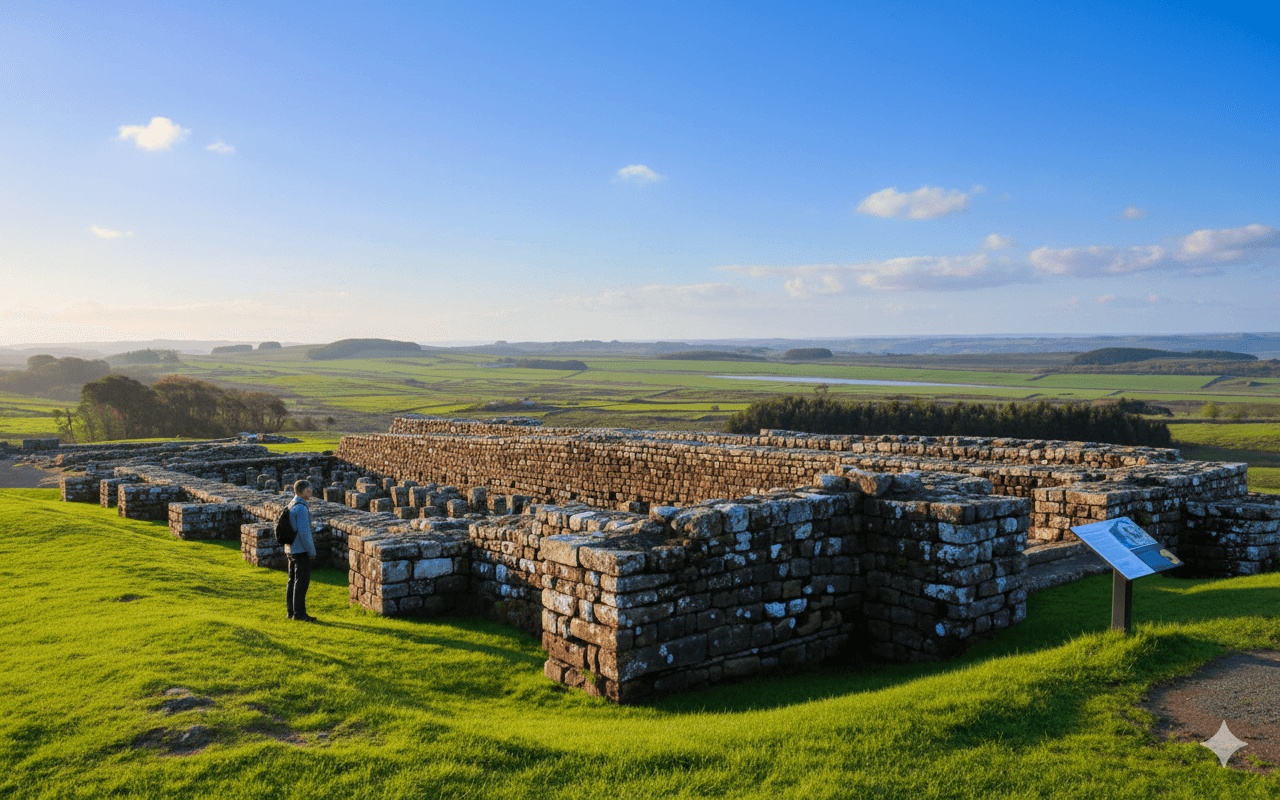
The landscape is lush with summer growth. Fields of green grass dotted with wildflowers, hedgerows in full leaf, the wall itself standing grey against all that vivid colour. Swallows swoop around you, catching insects on the wing - our wildlife guide describes more of what you might spot. The air is warm, carrying the scent of flowers and grass.
By late morning, you're properly warm. The climbs generate heat, and you stop to drink water more frequently than in cooler months. You seek out shaded sections for your rest breaks, appreciate the breeze on exposed ridges, and time your pace to avoid overexertion in the warmest part of the day. These are pleasant challenges, the problems of abundance rather than hardship.
You reach your day's destination at 4pm with the whole evening still ahead. Some walkers would push on; you choose to explore the nearby Roman fort like Housesteads or Vindolanda, have an early dinner at the local pub, and then walk the most scenic section you'd read about. At 8pm, with the light golden and the path empty, you have the landscape almost to yourself. This is the magic of June - the day never seems to end, and there's always time for more.
Managing Heat and Sun
June's warmth is one of its attractions, but it also presents challenges that cooler months don't. The combination of sustained walking, summer temperatures, and strong sun requires active management. Walkers used to cooler conditions sometimes underestimate June's demands until they're overheated and exhausted halfway through the day.
Hydration is critical. You need significantly more water in June than in spring months - at least 2 litres per day, more on hot days or if refill opportunities are limited. Starting each day well hydrated (drink water with breakfast), maintaining intake throughout the day, and recognising early signs of dehydration (headache, fatigue, reduced urine output) are essential skills. Our fitness preparation guide covers more on staying healthy. Don't wait until you're thirsty to drink - by then you're already behind.
Sun protection requires attention throughout the day. The June sun is strong enough to burn quickly, especially with the clear northern air offering less UV filtering than southern haze. Apply sunscreen before setting out and reapply every few hours, more frequently if sweating heavily. Don't forget ears, the back of your neck, and any other exposed areas. Sunburn ruins walking holidays and can be entirely prevented with proper care.
A good sun hat is essential in June. The broad-brimmed type that shades face and neck works better than a cap that leaves ears and neck exposed. Quality sunglasses reduce eye strain and fatigue from squinting. These items that felt optional in March are necessities now.
Pacing yourself in heat makes a significant difference. Walking slightly slower than you would in cool weather, taking breaks in shade when available, and tackling exposed sections in morning or late afternoon rather than at midday all help manage heat stress. The long days give you plenty of time - there's no need to push hard through the hottest hours.
What to Pack for June
June packing reflects the summer conditions. Your kit is lighter than any other time of year, focused on sun management and hydration rather than warmth and waterproofing. The weight savings from lighter clothing are offset somewhat by carrying more water, but overall you travel lighter.
Clothing should be light, breathable, and sun-protective. Wicking fabrics that move sweat away from your skin are more comfortable than cotton, which becomes heavy and clingy when wet with perspiration. Light colours reflect heat better than dark. Consider sleeves rather than bare arms - light long sleeves can be cooler than short sleeves in direct sun while also reducing sunscreen needs.
Your waterproof layer should still be packed, but can be the lightest version you own. A packable waterproof that weighs a few hundred grams and compresses to pocket size is sufficient for June's brief showers. Some walkers carry an umbrella instead, which can also provide shade. Waterproof trousers are optional for most June walkers - a brief shower on bare legs dries quickly in warm air.
A light layer for early mornings and any cool evenings remains sensible. A thin fleece or long-sleeved shirt weighs little and provides security if conditions are cooler than expected. Air-conditioned accommodation can also feel cold after a warm day - having something to put on is worthwhile.
Water carrying capacity becomes important. At least 2 litres of capacity is advisable, which might mean adding a water bladder or extra bottle to your usual setup. Know where water refill points are on each day's route, and don't start long sections with inadequate supplies.
Footwear choices expand in June's dry conditions. Trail shoes are a viable option for walkers with strong ankles who prefer lighter footwear. The paths are dry, the risk of saturating boots in bog or stream is minimal, and the weight savings add up over long distances. Waterproof boots remain a solid choice if you prefer them, but aren't essential as they are in wetter months.
Accommodation in June
June accommodation requires earlier planning than spring months. You're entering peak season territory, and the most popular establishments book well ahead. Without advance planning, you might find yourself with limited choices or commuting from further away than ideal.
Book 3-4 months ahead for June accommodation to ensure your preferred options. The central section around Once Brewed and Twice Brewed has limited beds and high demand - this area fills first. The Sill YHA, Twice Brewed Inn, and local B&Bs can be full months in advance for popular dates. See our accommodation guide for all options. The eastern and western sections have more options and typically more availability.
Prices reach summer levels in June. You'll pay peak rates at most establishments, reflecting the high demand and excellent conditions. The value proposition is still good - you're getting the best conditions of the year - but budget-conscious walkers should factor in the higher costs.
Weekday walking typically offers better availability than weekends. If your schedule allows, starting your walk mid-week rather than on a weekend can make booking easier and reduce the likelihood of crowded conditions at popular sites.
All facilities along the wall are fully operational. The AD122 bus runs its maximum summer schedule with frequent services - see our transport guide for details. Pubs, cafes, and visitor centres operate full hours. Roman sites including English Heritage properties and Vindolanda have extended summer opening times. You can plan with confidence that everything will be available when you need it.
Visitor Numbers in June
June represents the building momentum toward peak season. Visitor numbers are noticeably higher than May but haven't yet reached July and August levels. Schools are still in session, which keeps family visitors lower, but the excellent conditions attract experienced walkers, retired visitors with flexible schedules, and international tourists increasingly.
The most famous sections - particularly around Sycamore Gap, Housesteads, and the central crags - see the highest visitor concentration. Day visitors accessing these areas from car parks add to through-walker numbers. On sunny weekends, these sections can feel genuinely busy with photographers, casual visitors, and walkers all sharing limited viewpoints. Learn more about the region at Hadrian's Wall Country.
Weekday walking makes a noticeable difference to your experience. If you can structure your itinerary to tackle the popular central section on a Tuesday, Wednesday, or Thursday rather than at the weekend, you'll find considerably fewer people. The difference isn't as dramatic as between August and September, but it's meaningful.
Early morning and late evening walking, made possible by June's long daylight, offers another way to find solitude. Most visitors arrive mid-morning and leave by late afternoon. If you're walking at 7am or 7pm, you'll likely have even popular sections largely to yourself. This is one of June's hidden benefits - the long days allow you to choose your timing strategically.
Even at busier times, the 84-mile path absorbs visitors reasonably well. You might wait briefly at gates, share viewpoints with others, and pass more people than you would in quieter months. But genuine crowding - the feeling of being in an overcrowded tourist attraction - is rare along most of the route. The path remains a walking experience rather than a tourist procession.
Making the Most of Long Days
June's extraordinary daylight is a resource to be used thoughtfully. The temptation to pack each day with maximum activity is understandable, but sustainable enjoyment requires balance. The best approach varies with your goals and energy.
Some walkers use the long days for ambitious distances, covering ground that would require rushing in shorter months. If completing the wall in fewer days appeals to you, June provides the daylight hours to make it feasible. Check how long it takes and our difficulty assessment. You can walk 18-20 miles with comfortable timing that would be impossible in October.
Others use the extra time for deeper exploration. Extended visits to Roman sites like Chesters, photography expeditions at golden hour, evening walks to viewpoints after dinner - the long days accommodate all of these without eating into your main walking. Explore the wider region with Visit Northumberland. You can have a full walking day and still enjoy substantial morning and evening activities.
Rest and recovery benefit from long days too. Arriving at accommodation mid-afternoon leaves time for showers, stretching, and relaxation before dinner. You're not rushing from trail to food to bed as you might in short winter days. This less pressured rhythm helps tired legs recover for the next day.
The key insight is that you don't have to use all the daylight. Having 17 hours available doesn't mean walking for 17 hours. What it means is freedom - freedom to choose your pace, your timing, your balance of activities without the constraint of fading light dictating your decisions.
Why Choose June?
June offers compelling advantages that make it an excellent choice for many walkers:
The conditions are close to ideal for sustained walking. Warm enough to be comfortable, not typically as hot as July can be. Dry enough that rain gear often stays packed. Light enough that timing is entirely flexible. These conditions enable you to focus on the experience rather than battling the elements.
The landscape is at its summer peak. Lush, green, full of life and growth. The Roman stones stand against verdant backgrounds, wildflowers colour the path margins, and the overall visual impression is of abundance and beauty.
The long days provide unique opportunities. Whether you use them for extended walking, deeper exploration, or simply unhurried enjoyment, the daylight hours are a genuine advantage that no other time of year matches.
The timing before school holidays means more manageable crowds than true peak season. You get summer conditions without the full summer pressure on paths and accommodation.
Plan Your June Walk
June on Hadrian's Wall combines summer conditions with extraordinary daylight for an outstanding walking experience. The warm weather, dry paths, lush landscapes, and endless evenings create memories that last. Book ahead for accommodation, prepare for sun and heat with our beginners guide, and use our baggage transfer service to walk lighter. You'll enjoy some of the finest walking Britain offers.
Our self-guided walking packages are perfectly suited to June conditions. We secure accommodation at the best walker-friendly establishments, arrange baggage transfer so you walk light in the warmth, and provide all the information you need to make the most of every long June day.
Ready to experience Hadrian's Wall at the height of summer? Get in touch to plan your June walking holiday. We'll help you design an itinerary that takes full advantage of the finest walking conditions of the year.