Walking Hadrian's Wall is a genuine physical challenge. Depending on your itinerary, you'll cover 8-15+ miles daily over varied terrain—rocky crags, grassy slopes, muddy sections, hard surfaces—for multiple consecutive days. The cumulative effect of walking day after day, without the recovery time that occasional weekend hikes allow, requires specific preparation. The good news: most reasonably healthy people can complete the Wall with appropriate training. This guide covers how to build the fitness you need.
Understanding the Physical Demands
Before planning training, understand what you're preparing for.
Daily Distances
Our itineraries range from challenging to comfortable. The 4-day option covers 15-20+ miles daily—demanding distances that require genuine fitness. The popular 6-day itinerary averages around 14 miles per day. The 8-day and 9-day options bring daily distances down to 10-12 miles—more manageable but still substantial when repeated day after day.
Choose an itinerary that matches your honest assessment of fitness and experience. Completing the Wall while enjoying it is the goal; struggling through inappropriately challenging days isn't.
Terrain
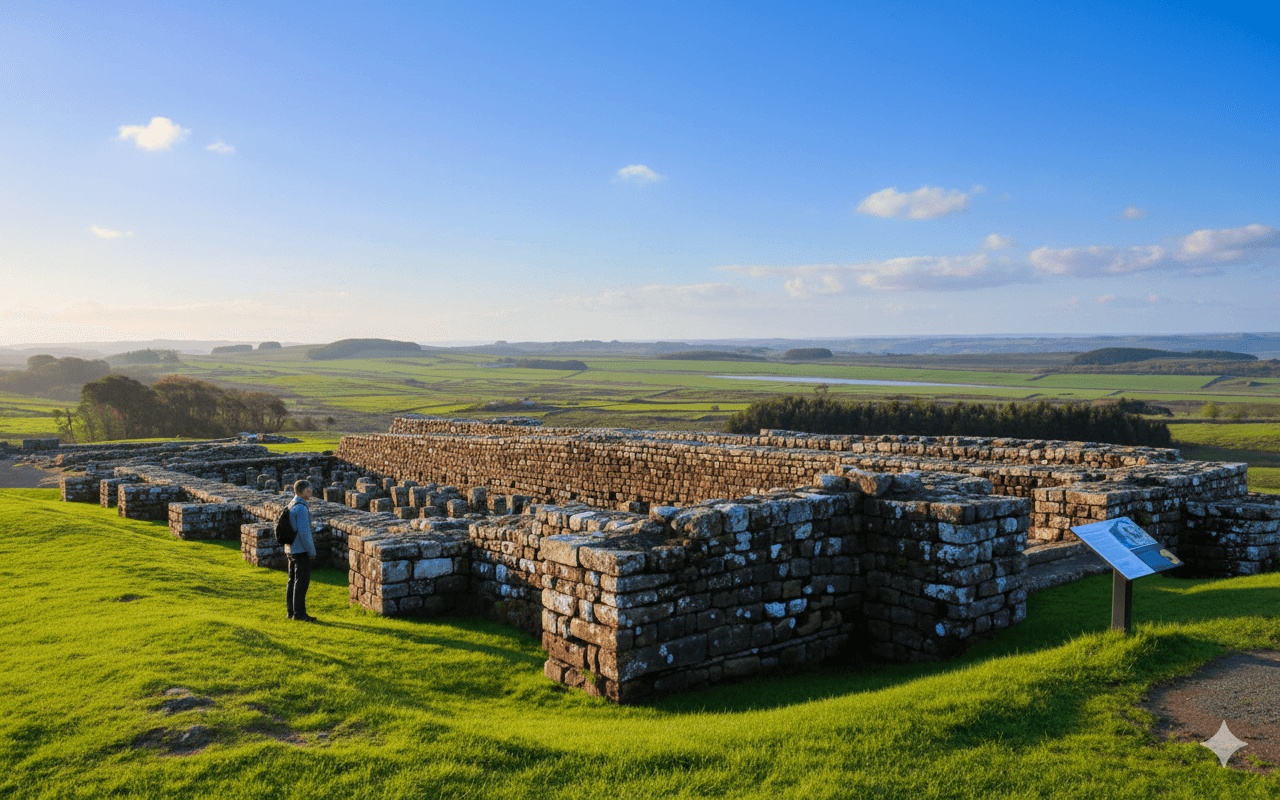
The terrain varies significantly along the Wall's length. The central section—roughly from Chollerford to Gilsland—includes the dramatic Whin Sill crags, with substantial climbs and descents over rocky ground. Some sections cross exposed moorland with uneven footing. The eastern and western sections are gentler but include long stretches with harder surfaces.
This variety means your training should include different terrain types. Flat walks don't prepare you for crag scrambles; steep hillwalks don't prepare you for long flat sections.
Cumulative Fatigue
The crucial difference between a multi-day walk and occasional day hikes is cumulative fatigue. Day one feels different from day five. Your legs, which recovered fully between weekend walks, don't get that full recovery on the trail. Muscles remain tired; minor aches persist; energy reserves gradually deplete.
This cumulative effect is why training should include back-to-back walking days. Your body needs to experience—and adapt to—getting up after a long walk and walking again on tired legs.
A Training Programme
The following programme assumes 8-12 weeks of preparation and a reasonable starting fitness. Adjust based on your current activity level and the itinerary you've chosen.
Weeks 1-2: Building Base
If you're not currently walking regularly, start gently. Walk 3-4 times per week at distances you can manage comfortably—perhaps 3-4 miles initially. Focus on establishing a routine rather than pushing distance or pace. Walk in the boots you'll use on the Wall to begin the break-in process.
If you're already regularly active, you can start with longer distances, but still use these weeks to establish consistent walking rather than other exercise forms.
Weeks 3-4: Increasing Distance
Gradually increase weekday walks to 5-6 miles. On weekends, include one longer walk of 8-10 miles. Vary terrain if possible—include hills, different surfaces, varying conditions. Continue wearing your Wall boots for every walk.
Listen to your body during these weeks. Minor muscle soreness after walks is normal; sharp pain or persistent discomfort suggests backing off or addressing equipment issues (often boots or socks).
Weeks 5-6: Approaching Target Distances
Weekday walks of 6-8 miles; weekend walks pushing toward 12-14 miles. If your itinerary includes days longer than 14 miles, ensure your longest training walk matches or exceeds that distance. It's important to prove to yourself you can cover the distances required.
Include hills in training if possible. The Wall has significant elevation change, particularly in the central section. If you live in flat country, find whatever elevation you can—bridges, buildings with stairs, treadmills with incline. Some preparation is better than none, but genuine hills help most.
Weeks 7-8: Back-to-Back Training
This is crucial. On at least one weekend, walk long distances on consecutive days—ideally Saturday 12+ miles, Sunday 10+ miles. This simulates the mid-week experience of your actual walk: getting up tired and walking again.
The back-to-back weekend reveals how your body responds to cumulative fatigue. Soreness? Blisters developing? Energy fading? Better to discover these issues during training, when you can address them, than during your actual walk.
Final Weeks: Maintenance and Taper
In the week or two before your walk, maintain activity but don't exhaust yourself. A few moderate walks keep muscles warm and ready without depleting energy. Avoid last-minute intense training—you can't meaningfully improve fitness in the final week, but you can tire yourself or cause injury.
Key Preparation Elements
Beyond progressive distance training, specific preparation areas deserve attention.
Boot Break-In
This cannot be overemphasised. Your boots must be thoroughly broken in before the walk—and "thoroughly" means 50+ miles of training walks. New boots, or boots you've barely worn, will cause blisters. Blisters on day two of a week-long walk are serious problems.
Wear your boots on every training walk. Wear them around the house. Wear them to the shops. By departure day, they should feel like extensions of your feet—soft where they need to be, shaped to your foot, comfortable for hours of walking.
Gear Testing
Training walks are opportunities to test all your gear. Carry your day pack loaded to approximate weight; check that straps don't rub and weight distributes comfortably. Wear your waterproofs in rain to confirm they're genuinely waterproof—membrane quality degrades over time. Test socks over long distances to identify any causing hot spots or discomfort.
Discover problems during training, when solutions are easy. Don't find out that your pack hip belt causes chafing on day one of the actual walk.
Nutrition Practice
Use training walks to establish eating and drinking habits. How much water do you need? What snacks sustain your energy without digestive issues? Do you prefer eating before walking or waiting? What works for breakfast? Our guide to food and drink covers general principles, but individual needs vary.
Pace Finding
Training helps you find your sustainable pace—the speed you can maintain for hours without exhausting yourself. This is usually slower than you think, especially if you're used to shorter walks. A good test: can you hold a conversation while walking at this pace? If you're too breathless to talk, you're probably going too fast for a long day.
Realistic Expectations
Even with good preparation, understand what to expect during the walk.
Day One Nerves and Excitement
First-day adrenaline often leads to walking too fast. Consciously moderate your pace; you have many days ahead. Enjoy the start rather than racing it.
Days Two and Three: The Challenge
For many walkers, days two and three feel hardest. Muscles stiffen overnight; morning starts are slower; cumulative fatigue begins accumulating. This is normal. Push through these days at a steady pace, and your body adapts.
The Adaptation
Around mid-walk, most people feel their body click into gear. The morning stiffness fades faster; energy levels stabilise; the walking feels more natural. Your body has adapted to the demands. This is why consistent preparation helps—you're partially adapted before you start.
Blisters and Minor Issues
Even with properly broken-in boots and good socks, blisters can happen. Carrying blister plasters and tape in your day pack allows immediate treatment when you feel hot spots developing. Address problems early—a small hot spot treated with tape won't become the painful blister that ruins your walk.
Similarly, minor muscle aches are normal. Stretching each evening helps; gentle movement in the morning loosens stiffness. These are signs your body is working, not injury.
If You're Starting from Low Fitness
If you're not currently active, allow more time for preparation—12 weeks minimum, preferably longer. The progressive increase should be more gradual; jumping distances too quickly invites injury. Consider choosing a longer itinerary with shorter daily distances; the 9-day or 10-day options provide comfortable pacing for building walkers.
There's no shame in starting gently. The goal is enjoying Hadrian's Wall, not proving anything through suffering. First-time long-distance walkers should read our dedicated beginner's guide for additional advice.
Health Considerations
If you have health conditions—heart problems, joint issues, chronic conditions of any kind—consult your doctor before undertaking significant training or the walk itself. Multi-day walking is demanding; understanding any limitations helps you prepare appropriately and make safe decisions.
Age is not a barrier. We've welcomed walkers across the age range, including many in their sixties and seventies. Fitness matters more than age; preparation and sensible itinerary choice allow almost anyone to complete the Wall.
Building Your Confidence
Good preparation builds confidence as well as fitness. By the time you start your walk, you should know you can cover the distances because you've done it in training. You should trust your boots because they're well broken-in. You should understand your body's needs because you've practiced.
This confidence transforms the walking experience. Instead of anxiety about whether you'll manage, you can focus on the extraordinary landscapes, the fascinating history, the satisfaction of each day completed.
Getting Started
Browse our itinerary options to find the right challenge level. Contact us to discuss your fitness level and which itinerary suits you—we're happy to advise based on years of experience helping walkers prepare for the Wall.
The preparation is part of the adventure. Each training walk brings you closer to the real thing. Start today, build steadily, and arrive at the Wall ready to enjoy one of Britain's greatest walking experiences.
Useful resources: National Trail and English Heritage.