Is Hadrian's Wall walk difficult? The honest answer is: moderately challenging, with one section that tests even fit walkers. But "difficult" depends entirely on your fitness level, experience, and expectations.
This guide provides a genuinely honest assessment of what you'll face. We'll cover terrain, elevation, daily distances, and the specific challenges of each section—so you can prepare properly and choose an itinerary that matches your abilities.
Overall Difficulty Rating
Compared to Britain's other National Trails, Hadrian's Wall Path rates as moderate. It's considerably easier than the Pennine Way or Coast to Coast, but harder than the Thames Path or Cotswold Way.
Key factors that make it manageable:
- The path is well-maintained and clearly waymarked
- Navigation is straightforward (follow the Wall)
- Gradients are steady rather than steep
- Accommodation and refreshments are available throughout
- Escape routes and public transport exist if needed
Factors that add challenge:
- The central section involves significant elevation gain
- Multiple consecutive days of walking creates cumulative fatigue
- Weather on exposed sections can be harsh
- Total distance (84 miles) is substantial
Section-by-Section Breakdown
Eastern Section: Wallsend to Chollerford (25 miles)
Difficulty: Easy to Moderate
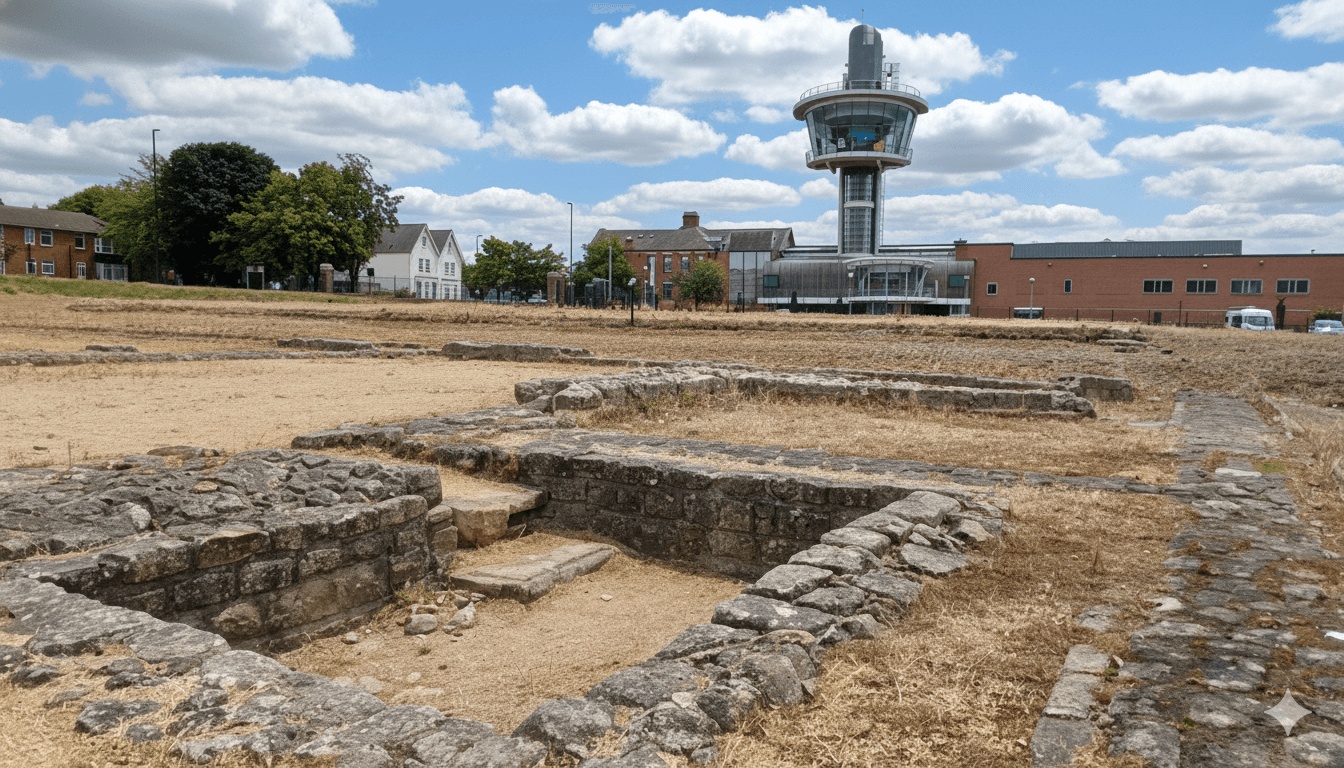
The first section eases you into the walk. Beginning in urban Newcastle, the path follows the River Tyne before entering rolling countryside. Terrain is predominantly flat with gentle undulations.
What to expect:
- Paved paths through Newcastle suburbs
- Riverside walking along the Tyne
- Farm tracks and field paths
- Minimal elevation gain
This section is perfect for warming up before the central challenge. If you struggle here, the crags ahead will prove very demanding.
Central Section: Chollerford to Gilsland (24 miles)
Difficulty: Challenging
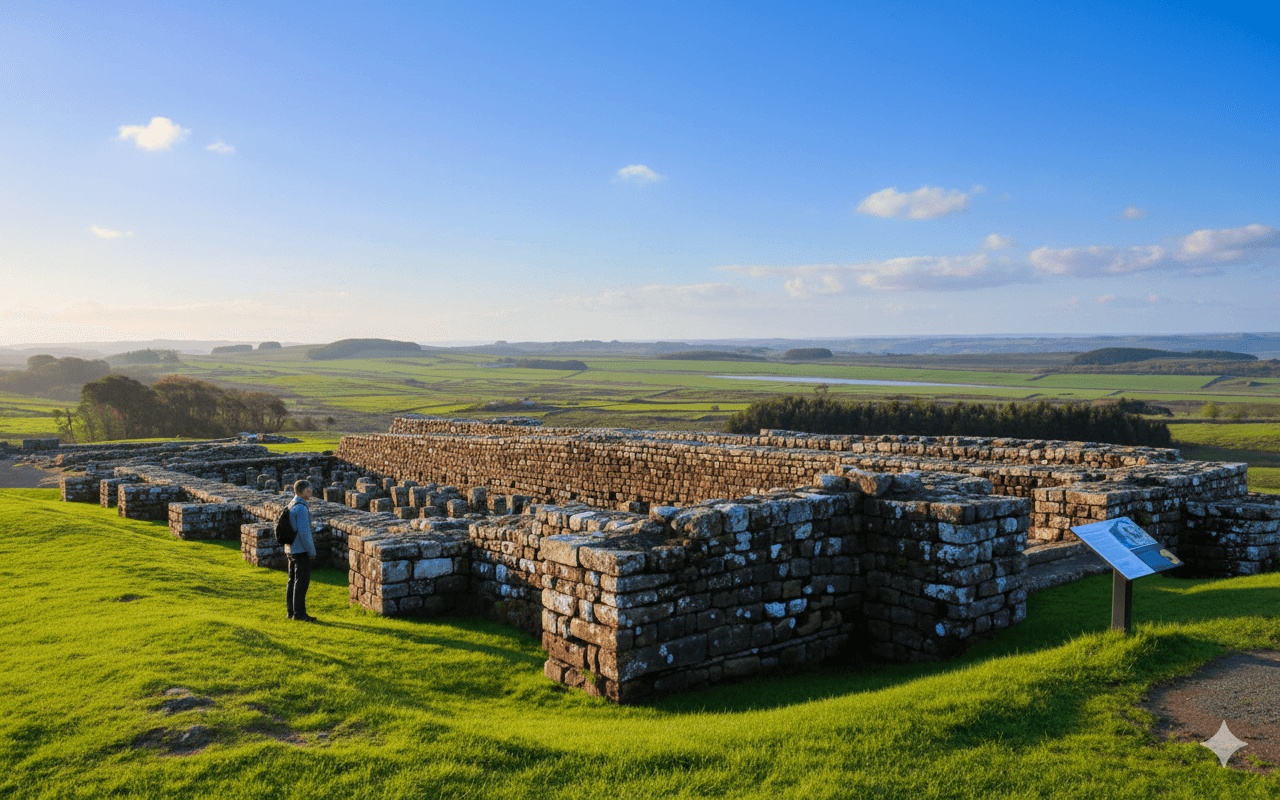
This is where Hadrian's Wall gets serious. The path crosses the Whin Sill—a dramatic volcanic ridge where the Wall climbs repeatedly over crags. The total elevation gain across this section is approximately 1,500 metres (4,900 feet), though it comes in many individual ascents rather than one sustained climb.
What to expect:
- Steep stone steps up and down crags
- Exposed ridgeline walking
- Rocky, uneven surfaces
- Potential for strong winds
- Boggy sections after rain
The notorious "Nine Nicks of Thirlwall" involves nine distinct ups and downs in rapid succession. Housesteads to Steel Rigg includes some of the most demanding terrain.
Many walkers find this section harder than expected. If covering it in one day (as shorter itineraries require), you'll be tired by the end. Longer itineraries split this section across multiple days, making it much more manageable.
Western Section: Gilsland to Bowness (35 miles)
Difficulty: Easy to Moderate
After the crags, the terrain gentles significantly. The western section crosses farmland, follows country lanes, and eventually reaches the Solway coast. The challenge here is distance rather than terrain.
What to expect:
- Field paths and farm tracks
- Some road walking
- Flat to gently undulating terrain
- Fewer facilities and refreshment stops
- Exposed coastal walking
While easier underfoot, this section can feel mentally challenging. The Wall is less visible, Roman sites are fewer, and the landscape less dramatic. Cumulative fatigue from previous days often peaks here.
The Real Challenge: Cumulative Fatigue
The individual days are manageable for most fit walkers. The real challenge is doing it day after day. What feels comfortable on Day 1 becomes significantly harder by Day 4 or 5.
Factors that increase fatigue:
- Shorter itineraries with higher daily mileage
- Heavy packs (use baggage transfer to avoid this)
- Poor sleep in unfamiliar beds
- Inadequate preparation
- Blisters and minor injuries
This is why we recommend longer itineraries for first-time long-distance walkers. A 8-day walk with 10-11 mile days is vastly more sustainable than a 4-day walk with 20+ mile days.
Fitness Requirements
For a 6-7 day walk (12-14 miles/day):
- Regular walking habit (at least weekly)
- Comfortable walking 10-12 miles in a day
- Can handle some hills without significant difficulty
- Reasonable general fitness
For a 4-5 day walk (15-20+ miles/day):
- Very active lifestyle
- Experience with long-distance walking
- Comfortable walking 15+ miles regularly
- Good hill fitness
For an 8-10 day walk (8-11 miles/day):
- Basic walking fitness
- Can walk 8-10 miles comfortably
- Some experience on uneven terrain helpful
- Suitable for older walkers in good health
Training Recommendations
If you're not already walking regularly, start training 3-6 months before your trip. A sensible progression:
- Weeks 1-4: Regular walks of 5-6 miles on flat terrain
- Weeks 5-8: Increase to 8-10 miles, introduce hills
- Weeks 9-12: Build to your target daily distance
- Final weeks: Do back-to-back walking days to simulate the trail
Always walk in the boots you'll use on the trail. Break them in thoroughly. Nothing ends a walk faster than blisters from new footwear.
Weather Factors
The central section is exposed to whatever the weather brings. Strong winds on the crags can be exhausting—you're constantly bracing against them. Rain makes stone steps slippery and paths muddy. Heat (rare but possible) adds fatigue on shadeless sections.
Dress in layers, carry waterproofs always, and check forecasts daily. The exposed crags in bad weather are genuinely challenging—even experienced walkers approach them with respect.
Can You Do It?
Most people who prepare appropriately complete Hadrian's Wall successfully. The keys are:
- Choose the right itinerary for your fitness level
- Train adequately before you arrive
- Use baggage transfer to reduce the load
- Pace yourself through the challenging sections
- Listen to your body and rest when needed
If you're uncertain, choose a longer itinerary. Better to finish with energy to spare than to struggle through the final days.
Ready to Start Planning?
Browse our range of Hadrian's Wall itineraries from challenging 4-day walks to leisurely 10-day explorations. Or contact us to discuss your fitness level and find the perfect duration for your abilities.