Key Points
- Layer clothing for unpredictable Northumberland weather – waterproofs and warm layers essential year-round
- Walking boots must be broken in – the 84-mile trail demands proper footwear with ankle support
- Pack lighter than expected – baggage transfer services mean daily essentials only in the rucksack
- Season-specific items matter – summer requires sun protection whilst winter demands thermal layers
- Emergency kit is non-negotiable – first aid supplies, whistle and emergency contact details save the day
- Technology needs protecting – waterproof phone cases and portable chargers keep devices safe and powered
Understanding the Hadrian’s Wall Weather Challenge
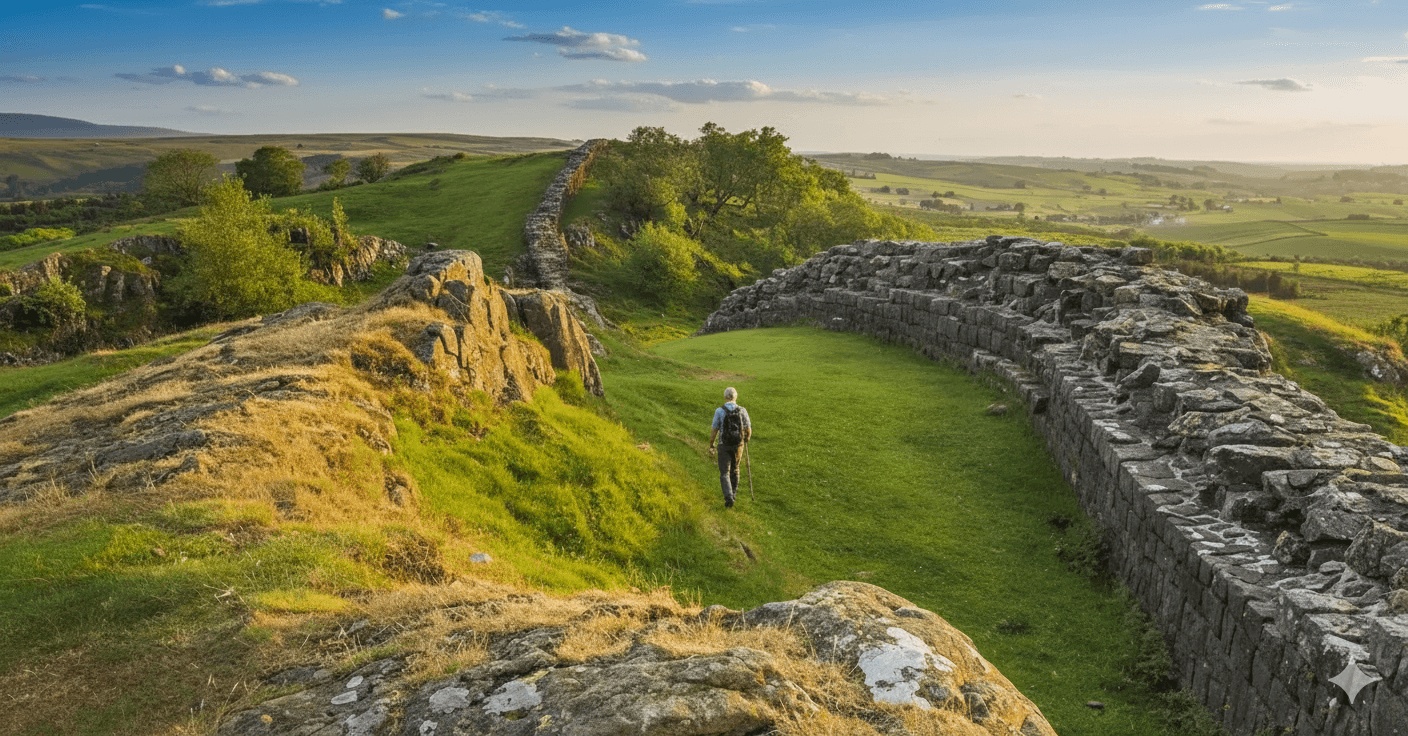
The Hadrian’s Wall Path stretches 84 miles across northern England, from Wallsend in the east to Bowness-on-Solway in the west. This exposed route traverses some of Britain’s most dramatic upland terrain, where weather conditions can shift dramatically within hours. The trail reaches its highest point at Winshields Crag (345 metres), where walkers face the full force of Pennine weather systems sweeping in from the North Sea and Irish Sea.
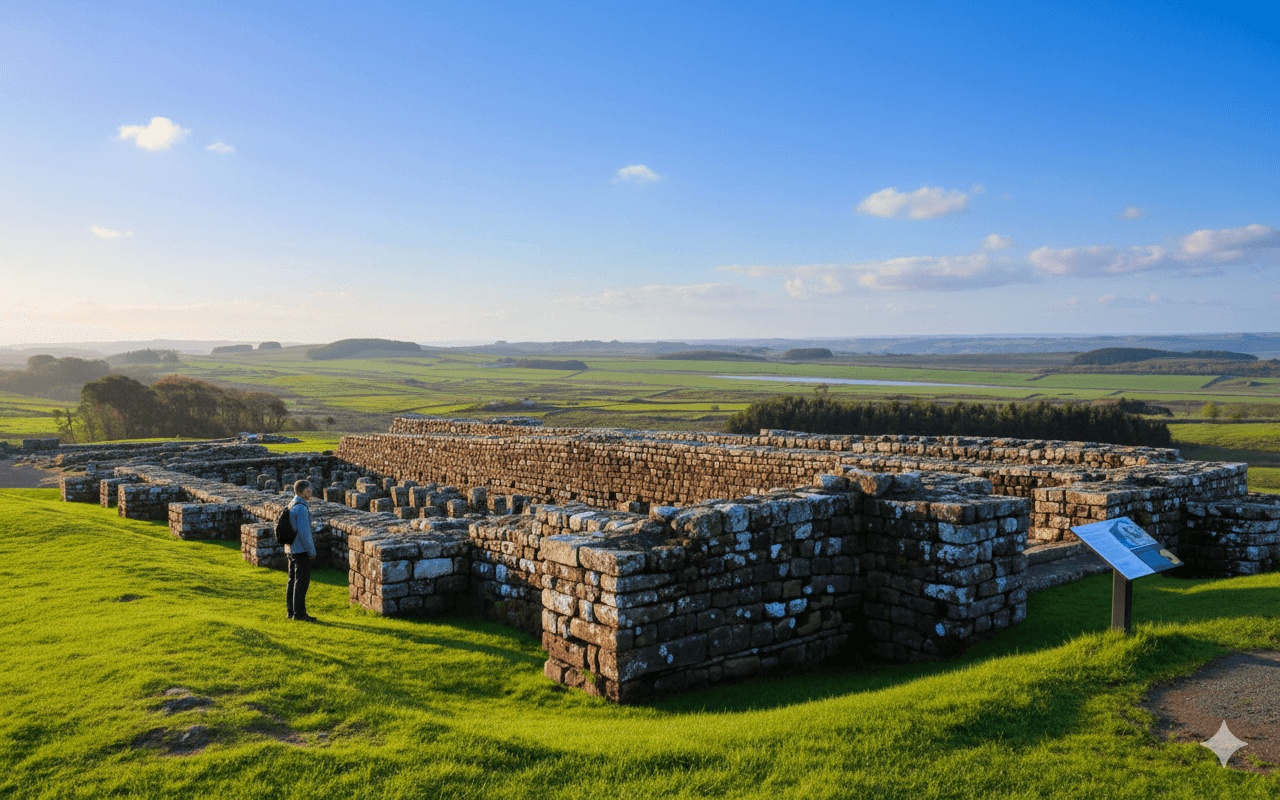
Northumberland’s climate proves notoriously fickle throughout the year. Summer days might begin with brilliant sunshine at Housesteads Roman Fort, only to deliver horizontal rain by lunchtime at Sycamore Gap. Winter brings its own challenges, with sections near Steel Rigg becoming treacherous under ice and snow. Smart packing addresses these variables whilst keeping pack weight manageable.
Essential Walking Gear for All Seasons
Footwear That Goes the Distance
Walking boots represent the single most critical piece of equipment for the Hadrian’s Wall Path. The terrain alternates between muddy farmland, rocky crags, stone steps at Roman forts, and uneven paths following the wall itself. Lightweight trail shoes simply won’t provide adequate support or protection.
Quality leather or synthetic walking boots with ankle support prevent twisted ankles on the undulating sections between Chollerford and Steel Rigg. Boots must be thoroughly broken in before the trip – blisters on day one can ruin the entire walking holiday. The waterproof membrane needs checking before departure, as sodden feet lead to misery on multi-day walks.
A second pair of comfortable shoes for evenings at the accommodation proves invaluable. Lightweight trainers or sandals allow feet to recover after six to eight hours on the trail. Many walkers also pack flip-flops for hostel or hotel showers.
The Right Rucksack for Day Walking
Self-guided walking holidays along Hadrian’s Wall with us include baggage transfer services, meaning the main luggage travels ahead to each night’s accommodation. This changes packing strategy entirely. The daypack needs only 20-25 litres capacity for daily essentials: waterproofs, snacks, water, first aid kit, phone, and extra layers.
A comfortable daypack with padded shoulder straps and hip belt distributes weight properly during eight-hour walking days. Walkers often underestimate how heavy even a small pack feels after several hours. External pockets provide easy access to water bottles, whilst internal compartments keep electronics and documents dry.
The main luggage – usually a soft holdall or wheeled suitcase – should weigh no more than 20kg. This bag gets collected each morning from the accommodation and delivered to the next stop, typically by mid-afternoon. Packing cubes help organise clothing efficiently and make finding items easier when living out of a bag for several days.
Spring Packing List (March–May)
Spring along Hadrian’s Wall Path brings changeable conditions. March can still deliver winter weather, with snow flurries possible at higher elevations near Cawfields and Winshields. By May, conditions improve substantially, though rain remains a constant possibility.
Clothing Essentials
Base layers in merino wool or synthetic materials regulate temperature effectively. Pack two sets to allow for washing and drying. Mid-layers should include a fleece or lightweight insulated jacket – mornings at Gilsland or Walton often start chilly even in late spring.
Waterproof jacket and overtrousers must be high quality, with taped seams and breathable fabric. Budget waterproofs fail quickly in sustained Pennine downpours. Walking trousers in quick-dry fabric work better than jeans or cotton. Pack two pairs to ensure clean, dry trousers each day.
Additional items for spring:
- Warm hat and lightweight gloves (essential for March/April)
- Buff or neck gaiter against wind
- Two to three pairs of walking socks (merino wool blends prevent blisters)
- Underwear for each day plus spares
- Evening clothes for accommodation (casual and comfortable)
Spring-Specific Gear
- Gaiters protect against muddy sections, particularly around farmland near Gilsland
- Trekking poles provide stability on slippery limestone sections
- Sunglasses and sun cream (spring sunshine at altitude burns quickly)
- Insect repellent (midges emerge in late spring, especially near water sources)
Summer Packing List (June–August)
Summer represents peak walking season along Hadrian’s Wall, with longest daylight hours and generally warmer conditions. However, “warm” in Northumberland means 18-22°C rather than heatwave temperatures. Rain gear remains absolutely essential.
Summer Clothing
Lighter base layers work well in summer, though the same layering principle applies. T-shirts or short-sleeve hiking shirts provide core comfort, with long sleeves available for sun protection and cooler sections. Convertible walking trousers with zip-off legs offer flexibility as temperatures fluctuate.
The waterproof jacket sees frequent use even in summer – afternoon thunderstorms develop rapidly over the Whin Sill escarpment. Pack a lightweight waterproof that stuffs small rather than bulky winter gear. A sun hat with brim protects against sunburn during exposed sections between Housesteads and Vindolanda.
Summer-specific items:
- Shorts for warmer days (though long trousers remain preferable for nettle-lined paths)
- Lighter fleece or insulated gilet for evening
- Swimming costume (some accommodations offer pools; wild swimming opportunities exist)
- Sandals or camp shoes for accommodation
Summer Health and Safety
Sun protection becomes paramount in summer. Factor 30+ sun cream needs reapplying throughout the day, especially on exposed sections like the crags between Once Brewed and Steel Rigg. Lip balm with SPF prevents painful sunburn on lips.
Hydration requirements increase significantly. A 2-litre water capacity allows for sections where refill opportunities prove limited. Water purification tablets provide backup for emergency refills from streams, though most villages along the route offer shops or cafes.
Autumn Packing List (September–November)
Autumn delivers spectacular colours across the Northumberland landscape, with heather moorland turning purple and deciduous trees displaying golden hues. Weather becomes increasingly unpredictable as September transitions into November, requiring careful packing.
Autumn Clothing Strategy
September often extends summer conditions, but by October, temperatures drop noticeably. Pack warmer base layers and a heavier mid-layer fleece. November demands nearly winter-weight clothing, with thermal layers essential for early morning starts.
The autumn packing list should include:
- Thermal base layers (top and bottom)
- Medium-weight fleece plus lightweight insulated jacket
- Quality waterproofs (autumn brings heavy rain periods)
- Warm hat, gloves and scarf (essential from October onwards)
- Four pairs of walking socks (paths take longer to dry after rain)
- Waterproof gloves or overmitts
Autumn-Specific Considerations
Daylight hours decrease significantly through autumn. A head torch becomes essential for early starts or longer days, particularly if tackling challenging sections like the crags that require slower, more careful progress. Pack spare batteries or ensure rechargeable options are fully charged.
Autumn brings increased moisture underfoot. Paths become muddier, particularly through agricultural land near Carlisle or Heddon-on-the-Wall. Gaiters protect against wet and mud splashing up legs. Some walkers prefer waterproof hiking trousers over standard walking trousers with separate waterproof overtrousers.
Winter Packing List (December–February)
Winter walking along Hadrian’s Wall Path presents serious challenges. Sections become impassable during heavy snow or ice, particularly the exposed crags. Many walkers prefer avoiding midwinter, but those tackling the trail between December and February need comprehensive winter gear.
Winter Clothing Requirements
Full winter mountain gear applies to Hadrian’s Wall Path in winter conditions:
- Heavy thermal base layers (top and bottom)
- Thick fleece mid-layer
- Insulated jacket (down or synthetic)
- Winter-weight waterproof jacket and overtrousers
- Warm winter hat covering ears
- Insulated, waterproof gloves
- Scarf or buff
- Multiple pairs of thick walking socks
Winter walking trousers should be softshell or similar weather-resistant fabric. Some experienced winter walkers prefer waterproof trousers for the entire day rather than overtrousers, as these provide better wind protection.
Winter Safety Equipment
Winter conditions demand additional safety gear:
- Microspikes or lightweight crampons for icy sections
- Trekking poles (essential for stability on ice and snow)
- Emergency bivvy bag or survival bag
- Extra emergency food and hot drinks in a flask
- Fully charged mobile phone plus portable charger
- Detailed paper maps and compass (not just GPS)
Winter daylight lasts roughly eight hours, limiting daily mileage. A powerful head torch allows for early starts and safe walking in twilight conditions. Hand warmers provide comfort during rest stops in freezing temperatures.
Year-Round Essential Items
Certain items belong in every Hadrian’s Wall packing list regardless of season. These essentials ensure safety, comfort and successful completion of the walk.
Navigation and Communication
Modern smartphones provide excellent navigation through apps like OS Maps or ViewRanger, but technology fails. Pack paper maps of the Hadrian’s Wall Path – the official National Trail Map or OS Explorer Maps 314 and 315 cover the entire route. A compass and basic navigation knowledge provide backup when phone batteries die or GPS signals disappear in valleys.
A portable power bank keeps phones charged for navigation, photography and emergency communication. Mobile signal proves patchy along sections of the wall, particularly between Greenhead and Banks. Inform accommodation providers of expected arrival times and carry emergency contact numbers.
First Aid and Emergency Supplies
A comprehensive first aid kit addresses common walking injuries:
- Blister plasters and moleskin (feet take serious punishment over 84 miles)
- Antiseptic wipes and small bandages
- Paracetamol or ibuprofen for pain relief
- Personal medications in original packaging
- Tweezers for splinters or ticks
- Emergency whistle (six blasts signals distress)
Include any personal medications, plus antihistamines for unexpected allergic reactions. A small tube of antiseptic cream treats minor cuts and scrapes from scrambling over stone stiles or rough walls.
Food and Hydration
While the Hadrian’s Wall Path passes through villages with shops and cafes, some sections span several hours between facilities. Pack substantial snacks: energy bars, trail mix, sandwiches, chocolate, and fruit. Food provides energy and morale during difficult sections.
Water capacity should be at least 1.5 litres, preferably 2 litres for summer walking. Water bottles or hydration bladders both work well – personal preference dictates choice. Refill opportunities exist at cafes, visitor centres, and accommodations, but not on the trail itself between settlements.
Documents and Money
Keep essential documents in a waterproof bag or case:
- Booking confirmations for accommodation
- Travel insurance details
- Emergency contact information
- Credit/debit cards and some cash (smaller establishments may be card-only or cash-only)
- Photo ID
A small notebook and pen allows recording memorable moments, fellow walkers’ contact details, or directions from helpful locals.
Toiletries and Personal Care
Pack light but include essentials for multi-day walking:
- Travel-size toiletries (shower gel, shampoo, toothpaste)
- Toothbrush
- Deodorant
- Razor if needed
- Sunscreen and lip balm with SPF
- Moisturiser (wind and weather dry skin)
- Small towel (microfibre towels dry quickly and pack small)
- Toilet paper and hand sanitiser (facilities not always available on trail)
- Blister prevention cream or anti-chafe balm
Many accommodations provide basic toiletries, but personal preferences vary. Travel-size containers keep weight manageable whilst ensuring favourite products are available.
Technical Items and Entertainment
Electronics and Gadgets
- Mobile phone with navigation apps downloaded for offline use
- Portable charger/power bank (10,000+ mAh capacity)
- Camera or action camera for capturing Roman forts and landscapes
- Charging cables for all devices
- UK plug adaptors (if travelling from overseas)
- Headphones for accommodation downtime
- E-reader or tablet for evening entertainment
Consider waterproof cases or dry bags for protecting electronics from inevitable rain. Many walkers use waterproof phone cases allowing photography in all conditions without risk of water damage.
Optional Comfort Items
- Trekking poles (highly recommended for knee protection on descents)
- Binoculars for wildlife watching and distant views
- Small field guide to birds, flowers or Roman history
- Journal for recording experiences
- Playing cards for accommodation evenings
- Compression socks for recovery
Packing Tips for Baggage Transfer Services
Baggage transfer services revolutionise the Hadrian’s Wall walking experience by transporting main luggage between accommodations. This allows walkers to carry only a small daypack with essentials, making the walk far more enjoyable.
Pack main luggage efficiently:
- Use packing cubes to organise clothing by type
- Place heavy items at the bottom
- Keep one set of clothing accessible for arrival at accommodation
- Pack toiletries in leak-proof bags
- Attach luggage tags with contact information
The daypack should contain items needed during walking hours: waterproofs, snacks, water, first aid kit, phone, extra layer, and sun protection. Everything else travels in the main bag. This system allows tackling challenging sections like the crags without excessive weight.
Label both bags clearly with name and accommodation addresses. Most baggage transfer companies collect between 8-10am and deliver by mid-afternoon, allowing showers and changes before evening meals.
What Not to Bring
Overpacking proves a common mistake. Leave these items at home:
- Multiple pairs of shoes beyond walking boots and evening footwear
- Heavy jeans or cotton clothing that stays wet
- Full-size toiletries (decant into travel containers)
- Hair dryers (accommodations provide these)
- Excessive electronics or gadgets
- Non-waterproof luggage (use waterproof bags inside if necessary)
- Valuable jewellery or unnecessary valuables
Remember that baggage transfer means the main bag never needs carrying on the trail. However, keeping overall weight reasonable makes handling luggage at accommodations easier and reduces risk of transfer issues.
Testing Gear Before Departure
Never attempt the Hadrian’s Wall Path with untested equipment. Break in walking boots over several weeks with progressively longer walks on varied terrain. Test the daypack on training walks to ensure comfort and proper adjustment.
Check waterproofs with a garden hose to verify seams remain watertight. Ensure technical items like GPS devices, cameras and power banks function correctly and are fully charged. Test navigation apps with downloaded offline maps.
A shakedown walk covering 10-15 miles with full gear reveals problems before they ruin the Hadrian’s Wall experience. This preparation identifies uncomfortable pack straps, inadequate waterproofs, or boots needing additional breaking in.
Frequently Asked Questions
What size rucksack is needed for walking Hadrian’s Wall?
A 20-25 litre daypack provides sufficient capacity for day walking with baggage transfer services. This size accommodates waterproofs, extra clothing layers, lunch, snacks, water bottles, first aid kit, and personal items without excessive bulk. Larger packs encourage overpacking and create unnecessary weight and discomfort. The main luggage travels separately via baggage transfer, so the daypack needs only items required during walking hours between accommodations.
Are walking poles necessary for Hadrian’s Wall?
Walking poles prove highly beneficial but aren’t strictly essential for fit walkers. The trail includes significant elevation changes, particularly around the central section near Steel Rigg and Housesteads. Poles reduce strain on knees during descents and provide stability on uneven ground, especially when paths are muddy or icy. They’re particularly valuable for walkers with knee problems or those carrying heavier packs. Many walkers who initially dismiss poles find them invaluable after the first long day.
How many pairs of socks should be packed?
Pack at least three to four pairs of quality walking socks for the entire walk, plus one pair for wearing whilst others dry. Merino wool or technical synthetic blends prevent blisters better than cotton. Some walkers prefer taking a fresh pair for each day, especially in wet weather when drying proves difficult. Good walking socks represent excellent investment – cheap socks cause blisters that can end walks prematurely. Consider sock liners for additional blister prevention on longer walks.
Can waterproof clothing be hired rather than purchased?
Quality outdoor shops and some walking holiday companies offer gear hire, including waterproof jackets and overtrousers. This option suits walkers who don’t regularly hike or visitors from overseas who prefer not transporting bulky clothing. However, hire gear may not fit as well as personal items, and breaking in borrowed boots isn’t possible. For walkers likely to undertake multiple walking holidays, purchasing own waterproofs provides better long-term value and ensures proper fit and comfort.
What’s the best bag for baggage transfer services?
Soft holdalls or wheeled suitcases work well for baggage transfer, with weight limit typically 20kg. Avoid rigid suitcases that don’t squeeze into vehicle storage easily. Duffel bags with shoulder straps provide easiest carrying between vehicle and accommodation. Ensure bags are weatherproof or pack contents in waterproof bags inside. Clear external labels with contact details and accommodation addresses prevent mix-ups. Some walkers use compression straps to keep bags compact, making handling easier.
Should emergency shelter be carried in winter?
Yes, winter walking along exposed sections of Hadrian’s Wall demands emergency shelter. A lightweight emergency bivvy bag or survival bag weighs minimal but provides life-saving protection if injured or caught in sudden severe weather. Winter conditions can deteriorate rapidly on exposed sections like Winshields Crag. Combined with emergency food, hot drinks in a flask, and fully charged mobile phone, emergency shelter forms essential winter safety kit. Mountain Rescue teams strongly recommend carrying this equipment for winter walking in upland areas.