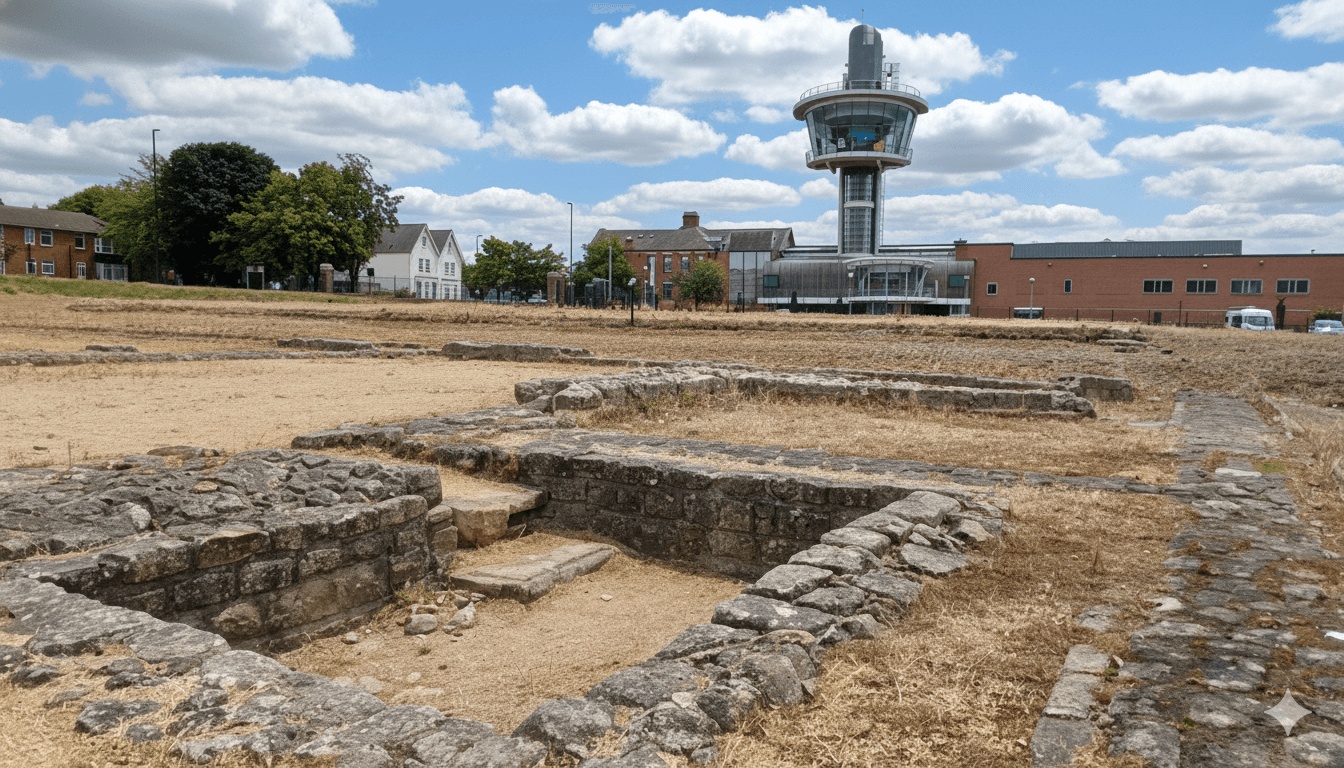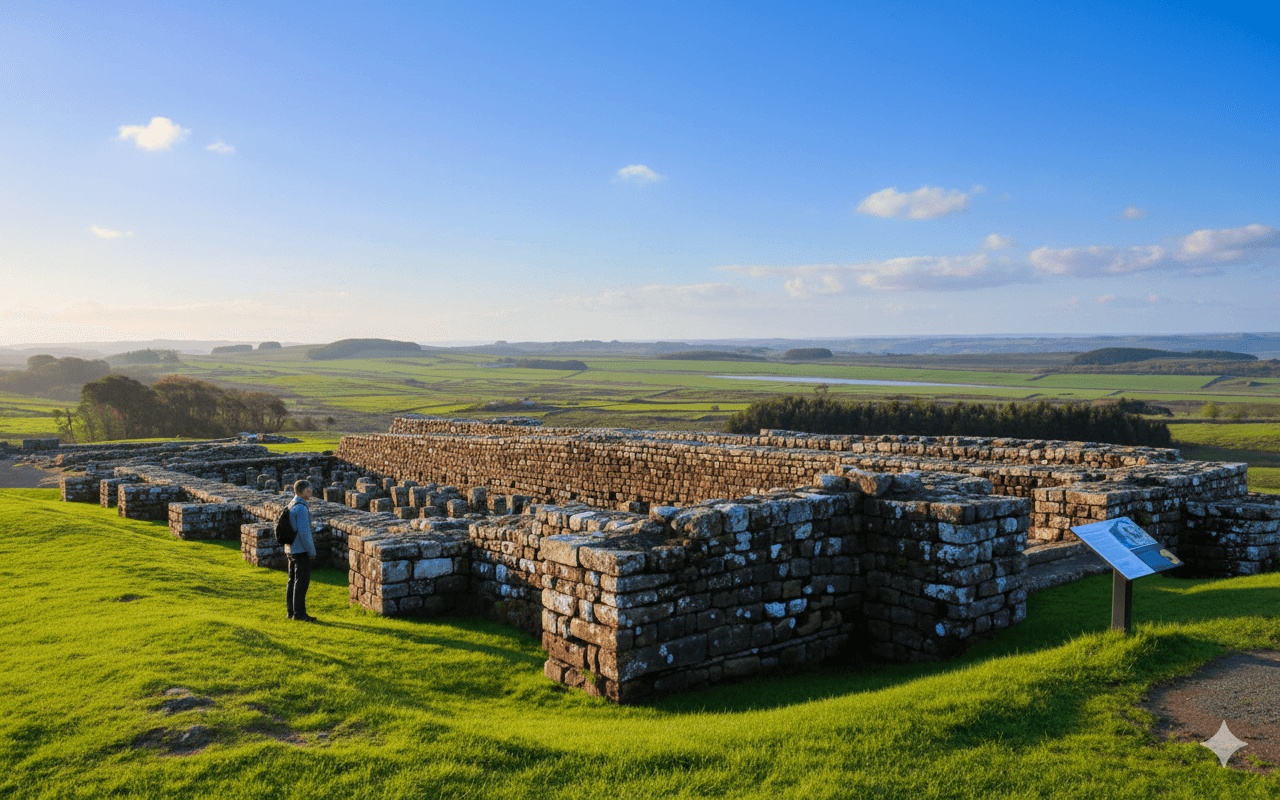
Hadrian's Wall stretches 84 miles across northern England, from Wallsend on the River Tyne to Bowness-on-Solway on the Irish Sea. You can walk it in either direction—but should you? The question of east to west versus west to east is one of the most common queries we receive, and the answer, while not absolute, strongly favours one option for most walkers.
The Short Answer
Walk east to west—from Wallsend/Newcastle to Bowness-on-Solway. This is the direction we recommend, the direction our itineraries follow, and the direction chosen by the overwhelming majority of walkers. There are good reasons for this consensus.
Why East to West Works Better
Prevailing Weather
Britain's weather predominantly comes from the west and southwest. Walking east to west means the wind is typically at your back rather than in your face. On exposed sections like the Whin Sill crags—where you're walking an escarpment with no shelter—this makes a substantial difference to comfort.
Rain driven into your face is significantly more unpleasant than rain at your back. Waterproofs work better when not fighting a headwind. After 84 miles, these seemingly small factors accumulate into a meaningfully different experience.
The Sun's Position
Walking east to west, you're generally walking with the sun rather than into it. Morning sun warms your back; afternoon sun illuminates the landscape ahead. This affects both comfort and photography—westward light in the afternoon creates more dramatic shadows and textures than eastward light.
Building to the Climax
The Wall's most dramatic section—the central crags where it rides the Whin Sill escarpment—lies roughly in the middle of the trail. Walking east to west, you approach this section after one or two days of gentler walking that serve as warm-up.
The terrain builds progressively. Day one through Newcastle is flat and urban—your legs find their rhythm without serious challenge. Day two continues through pastoral landscape as fitness accumulates. By day three, when you reach the demanding crag section, you're prepared for it.
Walking west to east, you tackle the crags earlier in your journey, before your body has fully adapted to multi-day walking. The spectacular section that should be a highlight can become an ordeal if you're not yet walking-fit.
Transport Logistics
Newcastle is vastly easier to reach than Bowness-on-Solway. The city has major rail connections from throughout Britain, an international airport, and all the amenities a starting point requires—hotels, gear shops, restaurants, supermarkets.
Bowness-on-Solway is a tiny village with minimal facilities. Reaching it for a starting point requires multiple transport connections; leaving it after finishing is straightforward by comparison (bus to Carlisle, then mainline rail anywhere).
Starting where logistics are easy and finishing where they're challenging (but you're just leaving) simply works better than the reverse.
The Psychological Journey
Walking east to west, the journey feels like progression toward ever-wilder landscape. You begin in urban Newcastle, pass through suburban fringes, enter pastoral countryside, climb onto dramatic moorland crags, then descend to peaceful coastal marshes. It's a narrative arc of increasing remoteness followed by gentle resolution.
Walking west to east reverses this—you begin in remote wilderness and gradually return to civilisation. For some, this feels anticlimactic. Finishing in Newcastle's suburbs after days of wild landscape can feel deflating rather than triumphant.
Arguments for West to East
Despite our strong recommendation, some walkers prefer west to east. Their reasons include:
Finishing in Newcastle
Newcastle is a more celebratory finish location than tiny Bowness. You can enjoy restaurants, pubs, and nightlife after completing your walk. If celebration matters to you, finishing in a city offers more options.
Tackling the Crags Fresh
Some experienced walkers prefer meeting the most challenging section while their legs are freshest, before cumulative fatigue sets in. If you're very fit and the distance isn't challenging, tackling crags on days 2-3 rather than days 3-4 might make sense.
Contrarian Satisfaction
Walking against the flow means fewer walkers heading the same direction, which some prefer. You'll pass more people going the "right" way, exchanging greetings and perhaps feeling slightly smug about your unconventional choice.
What the Statistics Say
Approximately 90% of walkers choose east to west. This isn't tradition for tradition's sake—it reflects the practical advantages outlined above. The National Trail waymarking and signage, while functional in both directions, assumes east-to-west travel.
Accommodation along the route is organised around east-to-west walkers. Hosts expect guests arriving from the east and departing toward the west. Going against this flow isn't impossible, but it's slightly more awkward logistically.
Our Itineraries
All our packages—from the challenging 4-day highlights to the leisurely 10-day experience—follow the east-to-west direction. Our route notes, accommodation bookings, and baggage transfer service are all organised accordingly.
If you genuinely prefer west to east, contact us to discuss options. We can arrange bespoke itineraries, though we'll likely try to persuade you toward the conventional direction unless you have specific reasons for the alternative.
The Complete Journey
Walking east to west, your journey typically unfolds like this:
Days 1-2: The Eastern Section
From Wallsend through Newcastle, then into the Northumberland countryside. Flat terrain, Roman sites including Chesters, pleasant pastoral walking. These days serve as preparation—building rhythm, sorting gear issues, accumulating walking fitness.
Days 3-4: The Spectacular Centre
The Whin Sill crags—dramatic escarpment walking with the Wall visible and impressive. Housesteads, Vindolanda, Sycamore Gap, Birdoswald. This is what most people imagine when they think of Hadrian's Wall. You're fit enough to enjoy it, and the dramatic scenery rewards your effort.
Days 5-6: The Western Section
Gentler terrain toward Carlisle and the Solway coast. Your legs may be tired, but the walking is easier—appropriate for the journey's later stages. The marshes and coastal landscape offer peaceful conclusion after the dramatic middle.
Starting Points and Variations
Our standard itineraries begin at Wallsend, where the Wall originally met the North Sea. However, variations exist:
Starting from Newcastle Central: Some walkers prefer starting from the city centre rather than Wallsend, shaving a few urban miles. We can arrange this variation.
The 4-Day Highlights: Our 4-day package starts at Chollerford rather than Wallsend, focusing on the central section without the eastern urban miles.
Custom Starting Points: If you want to walk only a portion of the Wall, contact us to discuss options.
Making Your Decision
Unless you have specific reasons to walk west to east, we strongly recommend the conventional east-to-west direction. The advantages—weather, logistics, terrain progression, psychological journey—combine to create a better overall experience for the overwhelming majority of walkers.
Ready to plan your east-to-west adventure? Browse our complete range of itineraries or contact us to discuss your walk.
The Wall awaits—starting from where it began nearly 2,000 years ago, ending where it met the Irish Sea. Walk it the way the centuries have proven works best.